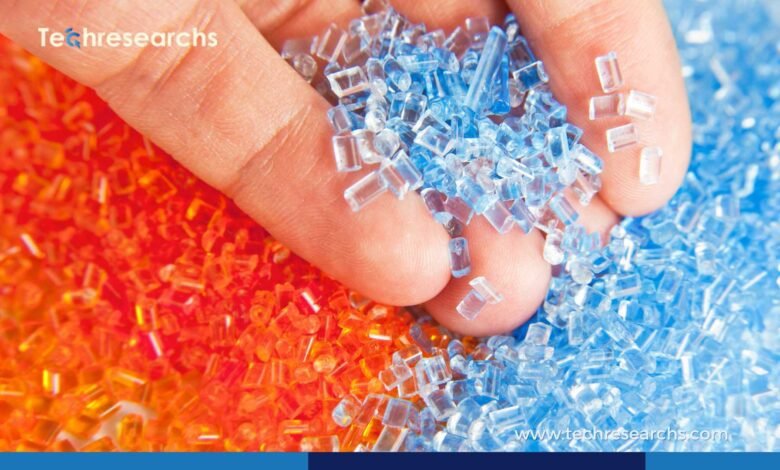
The Growing Interest in Bio-based Plastics
Plastic waste has become one of the most pressing environmental challenges of the modern era. From ocean pollution to overflowing landfills, traditional plastics are causing long-term damage. Because of this, industries are actively exploring sustainable alternatives. One of the most discussed solutions is Bio-based Plastics.
These materials are produced from renewable biological sources rather than fossil fuels. At first glance, they appear to offer a cleaner and smarter path forward. However, the real question remains: can they truly solve the global plastic waste crisis?
This article explores how Bio based Plastics work, where they succeed, and where they fall short.
What Are Bio-based Plastics?
Bio-based Plastics are materials made partly or entirely from renewable biomass such as plants or organic waste. Unlike conventional plastics, their raw materials come from natural sources instead of petroleum.
It is important to note that “bio-based” does not always mean “biodegradable.” Some bio-derived polymers behave just like traditional plastics but have a lower environmental footprint during production.
Common Raw Materials Used
- Corn starch
- Sugarcane
- Cellulose
- Algae
Types of Bio-based Plastics in the Market
Different types of these materials exist, each with unique properties and use cases.
Biodegradable Bio-based Plastics
These materials can break down under controlled composting conditions. Examples include:
- PLA (Polylactic Acid)
- PHA (Polyhydroxyalkanoates)
They are commonly used in food packaging and disposable items.
Non-Biodegradable Bio-based Plastics
Some plant-based polymers are designed for durability rather than decomposition.
- Bio-PET
- Bio-PE
These options are recyclable and reduce fossil fuel dependency, even though they do not biodegrade.
Environmental Benefits of Bio-based Plastics
The primary appeal of these materials lies in their environmental advantages.
Lower Carbon Footprint
Plants absorb carbon dioxide while growing. As a result, producing plant-based polymers often releases fewer greenhouse gases than petroleum-based plastics.
Reduced Fossil Fuel Dependence
Because renewable feedstocks are used, these plastics help conserve limited fossil resources.
Alignment With Circular Economy Goals
Many of these materials support recycling or composting systems, encouraging resource efficiency and waste reduction.
Challenges and Limitations of Bio-based Plastics
Despite their promise, these materials are not without flaws.
Limited Composting Infrastructure
Many biodegradable variants require industrial composting facilities. Unfortunately, access to such systems remains limited in many regions.
Higher Production Costs
Manufacturing plant-based polymers is still more expensive than producing traditional plastics. This slows large-scale adoption.
Competition With Food Crops
Some raw materials come from agricultural sources, which raises concerns about land use and food security.
Bio-based Plastics vs Traditional Plastics
| Feature | Bio-based Plastics | Conventional Plastics |
|---|---|---|
| Raw Material | Renewable biomass | Fossil fuels |
| Carbon Emissions | Lower | High |
| Biodegradability | Sometimes | Rare |
| Recycling Options | Growing | Mature |
| Cost | Higher | Lower |
Are Bio-based Plastics a Scalable Solution?
Scalability is one of the biggest questions surrounding these materials. Global plastic demand exceeds hundreds of millions of tons each year, making full replacement difficult.
Factors Affecting Adoption
- Availability of renewable feedstock
- Manufacturing efficiency
- Waste management infrastructure
- Government incentives
Industry Adoption of Bio-based Plastics
Many organizations are adopting these materials to meet sustainability and ESG targets.
Key Sectors Leading the Shift
- Packaging and consumer goods
- Automotive manufacturing
- Consumer electronics
The Future Outlook for Bio-based Plastics
Ongoing research is improving performance, affordability, and recyclability. New innovations focus on non-food biomass and waste-based feedstocks.
Emerging Innovations
- Algae-based polymers
- Agricultural waste plastics
- Enhanced recycling compatibility
While these developments are promising, long-term success will depend on responsible production and disposal systems.
Are Bio-based Plastics the Ultimate Answer?
Bio based Plastics are not a standalone solution to plastic waste. However, they play a critical role in reducing reliance on fossil fuels and lowering environmental impact. When combined with recycling, waste reduction, and smart regulation, they can significantly contribute to a more sustainable future.
The real solution lies in balance, innovation, and informed adoption.
FAQs
1. Are Bio-based Plastics environmentally friendly?
A. They generally have a lower carbon footprint, but proper disposal is essential.
2. Are all plant-based plastics biodegradable?
A. No. Some are recyclable but behave like conventional plastics.
3. Can these materials replace all traditional plastics?
A. Not entirely, especially for high-performance applications.
4. Why are Bio-based Plastics more expensive?
A. Production technology and raw material processing costs are still evolving.