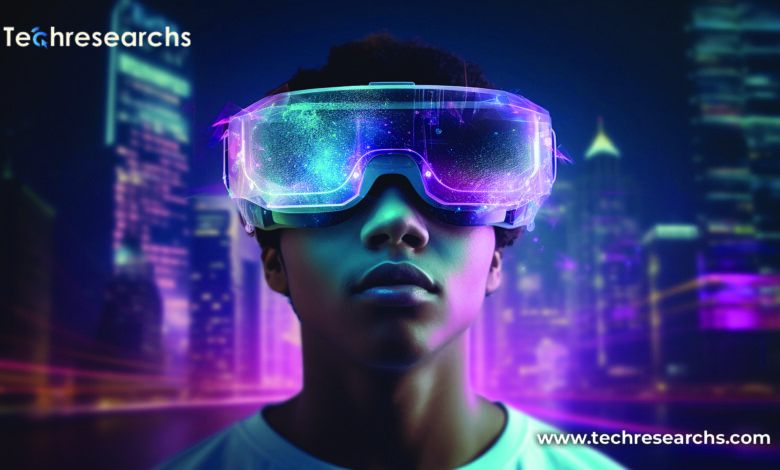
The metaverse has evolved significantly over the past few years. While the initial excitement around virtual worlds and digital land has settled, the core technologies powering immersive commerce—such as artificial intelligence (AI), spatial computing, augmented reality (AR), virtual reality (VR), digital twins, blockchain, and interoperable 3D experiences—are transforming how retailers engage customers.
In 2026, the metaverse is no longer viewed as a standalone destination. Instead, it has become part of a broader immersive commerce ecosystem where physical stores, e-commerce platforms, AI assistants, and virtual experiences work together. Retailers are leveraging these technologies to create personalized shopping journeys, improve customer engagement, reduce product returns, and unlock entirely new revenue streams.
This updated guide explores how the metaverse is reshaping retail, the latest trends driving adoption, practical use cases, challenges, and strategies retailers should follow to remain competitive.
What Does the Metaverse Mean for Retail in 2026?
The metaverse is a network of immersive digital environments where users can interact with brands, products, and other consumers through virtual experiences. Unlike earlier versions focused mainly on gaming, today’s metaverse integrates directly with existing retail operations.
Retailers now use immersive technologies for:
- AI-powered virtual shopping
- Interactive product demonstrations
- Virtual showrooms
- Digital fashion
- Smart customer support
- Mixed reality shopping
- Digital twins of physical stores
- Community-driven brand experiences
Instead of replacing e-commerce, the metaverse enhances it by making shopping more engaging and interactive.
Why Retailers Are Investing in Immersive Commerce
Consumer expectations continue to evolve. Modern shoppers expect convenience, personalization, and memorable digital experiences.
Retailers benefit from immersive commerce by:
- Increasing customer engagement
- Improving purchase confidence
- Reducing product return rates
- Creating premium digital experiences
- Collecting better behavioral insights
- Building stronger customer loyalty
- Launching virtual product collections
- Reaching global audiences without physical expansion
Major Retail Trends Transforming the Metaverse in 2026
1. AI Shopping Assistants
Artificial intelligence has become the backbone of immersive retail.
Customers can now:
- Receive personalized product recommendations
- Ask natural language questions
- Compare products instantly
- Build custom shopping lists
- Get styling suggestions
- Receive multilingual customer support
AI assistants work across websites, mobile apps, AR devices, and virtual stores.
2. Spatial Commerce
Spatial commerce blends physical and digital shopping experiences.
Examples include:
- Walking through virtual stores
- Viewing products in 3D
- Exploring interactive product catalogs
- Shopping inside mixed reality environments
Instead of browsing flat product pages, customers experience products in realistic environments.
3. Virtual Try-On Technology
One of the fastest-growing retail applications is virtual product visualization.
Customers can try:
- Clothing
- Footwear
- Eyewear
- Cosmetics
- Jewelry
- Furniture
- Home décor
Advanced AI body scanning has significantly improved sizing accuracy, helping retailers reduce costly returns.
4. Digital Twins for Retail
Retailers now build digital replicas of physical stores.
These digital twins help businesses:
- Optimize store layouts
- Test merchandising strategies
- Analyze customer movement
- Improve inventory planning
- Train employees virtually
Digital twins combine real-world operational data with immersive visualization.
5. Mixed Reality Shopping
Mixed Reality (MR) combines virtual objects with the physical world.
Customers can:
- Place furniture inside their homes
- Preview appliances before purchasing
- Design room layouts
- Customize products in real time
This creates greater buying confidence.
How Retailers Are Using the Metaverse Today
Virtual Product Launches
Brands introduce new collections through immersive experiences where customers interact with products before they become available.
Interactive Shopping Events
Retailers organize:
- Virtual fashion shows
- Product demonstrations
- Live shopping experiences
- Brand communities
- Exclusive member events
These events increase customer participation and engagement.
Digital Loyalty Programs
Modern loyalty programs now include:
- Virtual rewards
- Exclusive digital collectibles
- Early product access
- Community memberships
- Interactive achievements
Gamification encourages repeat purchases.
Employee Training
Retail organizations use immersive simulations for:
- Customer service training
- Safety education
- Product knowledge
- Store management
- Equipment operation
Training becomes more realistic while reducing operational costs.
Benefits of the Modern Metaverse for Retailers
Better Customer Engagement
Immersive experiences encourage customers to spend more time interacting with products and brands.
Reduced Product Returns
Virtual visualization helps customers make informed purchasing decisions before buying.
Personalized Shopping Experiences
AI analyzes customer preferences to recommend products based on:
- Purchase history
- Browsing behavior
- Shopping interests
- Lifestyle preferences
Global Customer Reach
Virtual stores operate continuously without geographic limitations, allowing brands to serve customers worldwide.
Stronger Brand Communities
Retailers build interactive communities where customers can participate in events, discussions, and exclusive experiences that strengthen brand loyalty.
Technologies Powering the Retail Metaverse
Several innovations are driving immersive retail experiences:
- Artificial Intelligence
- Machine Learning
- Augmented Reality (AR)
- Virtual Reality (VR)
- Mixed Reality (MR)
- Blockchain
- Spatial Computing
- Cloud Computing
- Digital Twins
- IoT Sensors
- 5G Connectivity
- Real-Time 3D Graphics
Together, these technologies enable seamless, data-driven shopping experiences.
Challenges Retailers Still Face
Despite rapid progress, several obstacles remain.
High Development Costs
Building immersive experiences requires investment in software, hardware, skilled professionals, and ongoing maintenance.
Data Privacy
Retailers must protect customer data while complying with evolving global privacy regulations.
Device Adoption
Although AR-capable smartphones are widespread, advanced VR and mixed reality headsets are still gaining mainstream adoption.
Interoperability
Many virtual platforms operate independently. Achieving seamless movement of digital identities and assets across ecosystems remains a work in progress.
Cybersecurity Risks
As retailers expand into immersive digital environments, protecting customer identities, payment information, and virtual assets becomes increasingly important. Zero Trust security, AI-driven threat detection, and secure identity management are becoming essential components of metaverse retail strategies.
Best Practices for Retailers Entering the Metaverse
Businesses should approach immersive commerce strategically.
Recommended practices include:
- Start with customer-focused use cases.
- Integrate AI for personalization.
- Invest in AR product visualization.
- Use analytics to measure engagement.
- Prioritize cybersecurity and privacy.
- Build scalable cloud infrastructure.
- Connect virtual experiences with existing e-commerce platforms.
- Experiment through pilot projects before large-scale deployment.
The Future of Retail in the Metaverse
Over the next few years, immersive commerce is expected to become increasingly integrated with everyday shopping. AI agents may assist customers across multiple digital environments, spatial computing will blur the lines between online and physical retail, and wearable devices will make immersive shopping more accessible.
Retailers that combine personalization, intelligent automation, immersive experiences, and strong data security will be better positioned to meet evolving customer expectations and remain competitive in a rapidly changing digital marketplace.
Conclusion
The metaverse has matured beyond its early hype and is becoming a practical extension of modern retail. Rather than replacing traditional e-commerce, it enhances the shopping experience through AI, AR, VR, spatial computing, and digital twins. These technologies help retailers deliver more engaging customer experiences, improve operational efficiency, and build stronger brand loyalty.
As immersive commerce continues to evolve, retailers that adopt these innovations thoughtfully—while prioritizing customer value, privacy, and security—will be well positioned to capitalize on the next generation of digital commerce. This shift represents not just a technological upgrade but a new way of connecting with customers in an increasingly interactive retail landscape.
Frequently Asked Questions (FAQs)
1. What is the metaverse in retail?
The metaverse in retail refers to immersive digital environments where customers can browse products, interact with brands, attend virtual events, and shop using technologies such as augmented reality (AR), virtual reality (VR), artificial intelligence (AI), and spatial computing.
2. How are retailers using the metaverse in 2026?
Retailers are using the metaverse to create virtual stores, offer AI-powered shopping assistants, enable virtual try-ons, host live shopping events, develop digital twins of physical stores, and provide personalized customer experiences across digital platforms.
3. What are the benefits of the metaverse for retailers?
The metaverse helps retailers increase customer engagement, improve personalization, reduce product returns through virtual product visualization, strengthen brand loyalty, collect valuable customer insights, and expand their global reach.
4. What technologies power metaverse retail experiences?
Metaverse retail relies on technologies such as Artificial Intelligence (AI), Augmented Reality (AR), Virtual Reality (VR), Mixed Reality (MR), blockchain, spatial computing, digital twins, cloud computing, IoT, and high-speed 5G connectivity.