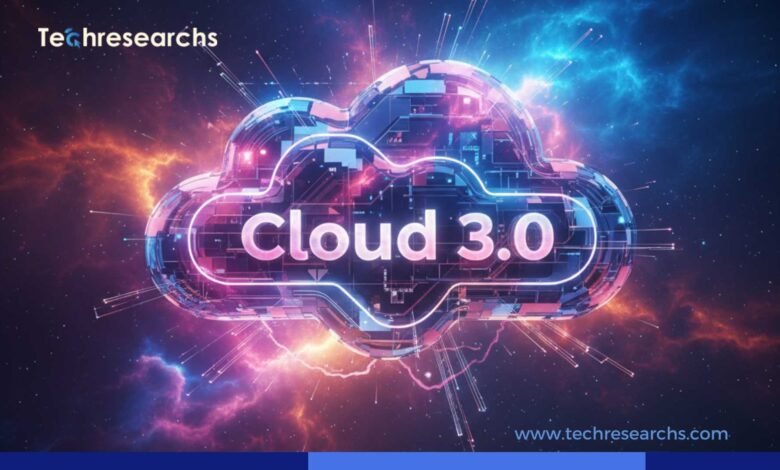
Cloud computing is entering a more intelligent and distributed phase. Cloud 3.0 focuses on decentralization, edge processing, and smarter automation to support modern digital ecosystems. Instead of relying on one central provider, workloads now operate across multiple environments.
This evolution changes how security and privacy must be handled. Protection is no longer limited to a single data center, and responsibility is shared between platforms and users. Understanding these changes is essential for safe adoption.
What Is Cloud 3.0 and Why Security Models Changed
Cloud 3.0 refers to a modern cloud architecture built on distributed infrastructure, edge computing, and AI-assisted operations.
Security has changed because:
- Data is processed closer to users
- Systems operate across many locations
- Traditional perimeter defenses are less effective
As a result, identity-based access and zero-trust security have become essential.
How Cloud 3.0 Security Differs From Traditional Cloud
Earlier cloud environments depended on centralized protection. In Cloud 3.0, security is applied across identities, devices, and workloads rather than networks alone.
Key differences include:
- Continuous identity verification
- Default encryption across services
- Reduced reliance on network trust
Users must now take a more active role in securing their systems.
Cloud 3.0 Security Architecture Explained
A strong Cloud 3.0 security framework is built on layered protection rather than a single control point.
Core elements include:
- Decentralized identity management
- AI-driven threat monitoring
- Edge-level security controls
- Immutable audit logs
Together, these layers improve resilience and reduce single points of failure.
Privacy Challenges in Distributed Cloud Environments
While modern cloud platforms improve flexibility, privacy risks still exist.
Common challenges include:
- Data replication across regions
- Sensitive processing at edge locations
- Third-party access to shared resources
Without strong governance, distributed environments can expose private information.
How Cloud 3.0 Improves User Privacy
Privacy protection is a design priority in Cloud 3.0 platforms.
Key safeguards include:
- End-to-end encryption
- Privacy-by-design frameworks
- Tokenization of personal data
- Automated compliance enforcement
These features help organizations meet global privacy regulations more effectively.
Cloud 3.0 Security Risks Users Should Know
Even advanced systems introduce new risks. In Cloud 3.0, common threats include:
- Misconfigured edge devices
- Weak identity governance
- Insecure APIs
- Insider misuse of access
Regular monitoring and audits are critical to reduce exposure.
Best Practices for Cloud 3.0 Security and Privacy
To stay protected in Cloud 3.0, users and organizations should follow these best practices:
- Adopt zero-trust access controls
- Encrypt data across all environments
- Monitor distributed workloads continuously
- Enforce strong identity policies
- Select vendors with transparent compliance standards
Understanding shared responsibility is essential for long-term security.
Cloud Security Comparison: Traditional vs Modern
Comparison Table
| Feature | Traditional Cloud | Cloud 3.0 |
|---|---|---|
| Architecture | Centralized | Distributed |
| Identity Control | Provider-led | User-centric |
| Threat Detection | Rule-based | AI-driven |
| Privacy Model | Policy-based | Privacy-by-design |
| Compliance | Static | Adaptive |
Business Benefits of Modern Cloud Security
Organizations adopt Cloud 3.0 security to support:
- Remote and hybrid teams
- IoT and edge deployments
- AI-driven analytics
- Decentralized applications
Startups benefit from flexibility and reduced vendor lock-in.
Security and privacy in Cloud 3.0 require a different mindset. Decentralization introduces complexity, but it also enables stronger control and transparency when implemented correctly.
By focusing on identity-based access, continuous monitoring, and privacy-first design, users can safely benefit from this next stage of cloud computing.
FAQs
1.Is Cloud 3.0 more secure than earlier cloud models?
A. Yes. Distributed architectures reduce single points of failure when properly configured.
2.How does Cloud 3.0 protect user privacy?
A. It relies on encryption, decentralized identity, and privacy-by-design principles.
3.Who is responsible for security in Cloud 3.0?
A. Responsibility is shared between cloud providers and users.
4.Should small businesses care about Cloud 3.0 security?
A. Absolutely. Strong identity controls and encryption benefit organizations of all sizes.