Genetic modification has entered a transformative era. What once focused primarily on improving crop yields has expanded into a multidisciplinary field influencing medicine, agriculture, environmental conservation, industrial biotechnology, and synthetic biology. In 2026, breakthroughs in gene editing technologies, AI-assisted genetic research, and precision genome engineering are enabling scientists to tackle challenges that were previously considered impossible.
From developing climate-resilient crops to advancing personalized medicine and treating inherited disorders, genetic modification continues to reshape industries worldwide. However, these advancements also bring important ethical, regulatory, and biosafety considerations that require responsible innovation.
This article explores the latest developments, emerging applications, benefits, challenges, and future outlook of genetic modification.
What Is Genetic Modification?
Genetic modification (GM) refers to the process of altering an organism’s DNA to introduce, remove, or modify specific genes. Unlike traditional breeding, genetic engineering allows scientists to make targeted genetic changes with much greater precision.
Modern genome editing techniques now enable researchers to modify DNA with unprecedented accuracy while reducing unintended genetic alterations.
Why Genetic Modification Matters More Than Ever
The world faces increasing pressure from climate change, food insecurity, emerging diseases, and growing healthcare demands. Genetic modification provides powerful tools to address these global challenges by enabling:
- Higher agricultural productivity
- Disease-resistant crops
- Personalized healthcare
- Sustainable manufacturing
- Environmental restoration
- Reduced chemical pesticide usage
As biotechnology continues to mature, genetic modification is becoming an essential component of global innovation.
Latest Advances in Genetic Modification (2026)
1. AI-Powered Gene Editing
Artificial intelligence is dramatically accelerating genetic research by helping scientists:
- Identify disease-causing genes faster
- Predict editing outcomes
- Design optimized CRISPR guides
- Reduce off-target mutations
- Analyze massive genomic datasets
AI and biotechnology together are shortening research timelines from years to months.
2. CRISPR Continues to Evolve
While CRISPR-Cas9 remains widely used, researchers now increasingly utilize:
Base Editing
Changes a single DNA letter without cutting both DNA strands.
Applications include:
- Rare genetic diseases
- Blood disorders
- Vision disorders
Prime Editing
Often called the “search-and-replace” method for DNA.
Benefits include:
- Higher precision
- Fewer unwanted mutations
- Broader treatment possibilities
3. Precision Medicine
Healthcare is shifting from generalized treatments to patient-specific therapies.
Genetic modification supports:
- Personalized cancer therapies
- Gene-based diagnostics
- Customized drug development
- Treatment of inherited diseases
Hospitals are increasingly integrating genomic data into routine clinical decision-making.
4. Climate-Resilient Crops
Agriculture faces severe challenges from droughts, floods, heatwaves, and soil degradation.
Genetically modified crops now feature:
- Heat tolerance
- Salt resistance
- Drought resistance
- Improved nutrient efficiency
- Enhanced disease resistance
These innovations improve food security while reducing environmental impact.
5. Gene-Edited Livestock
Scientists are developing livestock with improved health and sustainability.
Examples include:
- Disease-resistant pigs
- Healthier poultry
- Improved cattle genetics
- Reduced antibiotic dependency
Such innovations may improve both animal welfare and food production efficiency.
6. Environmental Biotechnology
Genetic modification is increasingly used to restore ecosystems.
Current research includes:
- Plastic-degrading microbes
- Oil spill cleanup organisms
- Carbon-capturing microorganisms
- Mosquito population control technologies
- Biodiversity conservation programs
Applications Across Industries
Healthcare
Genetic modification is transforming medicine through:
- Gene therapy
- Cancer immunotherapy
- Rare disease treatment
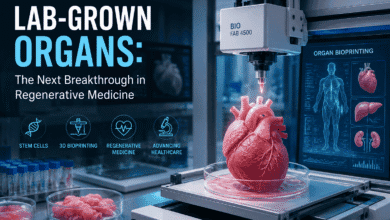
- Regenerative medicine
- Vaccine development
Agriculture
Modern farming benefits from:
- Pest-resistant crops
- Disease-resistant plants
- Improved nutritional value
- Longer shelf life
- Reduced pesticide usage
Industrial Biotechnology
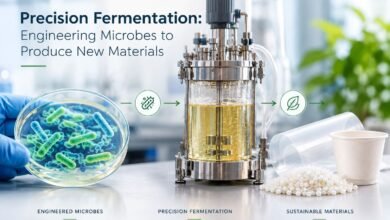
Companies now engineer microorganisms to produce:
- Biofuels
- Sustainable chemicals
- Bioplastics
- Industrial enzymes
- Eco-friendly manufacturing materials
Food Industry
Researchers are improving food production through:
- Nutritionally enhanced crops
- Reduced food waste
- Improved fermentation
- Alternative protein production
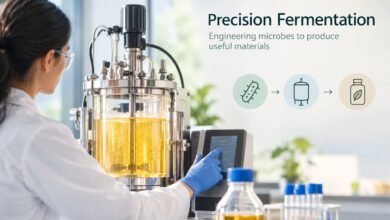
- Precision fermentation technologies
Conservation
Scientists use genetic technologies to:
- Protect endangered species
- Preserve biodiversity
- Combat invasive species
- Restore damaged ecosystems
Benefits of Genetic Modification
Improved Healthcare
Gene editing offers hope for treating previously incurable inherited diseases.
Increased Food Production
Higher crop yields help feed a growing global population.
Environmental Sustainability
Reduced pesticide usage lowers environmental pollution while improving biodiversity.
Faster Scientific Innovation
Modern gene-editing technologies significantly reduce research and development timelines.
Economic Growth
Biotechnology continues to create new industries, jobs, and investment opportunities worldwide.
Challenges and Ethical Considerations
Despite remarkable progress, genetic modification raises important concerns.
Ethical Questions
Scientists and policymakers continue to debate:
- Human germline editing
- Designer babies
- Genetic equity
- Long-term societal impacts
Biosafety
Researchers must carefully evaluate:
- Ecological risks
- Gene flow into wild populations
- Unintended biological consequences
- Long-term monitoring
Regulation
Governments continue updating biotechnology regulations to balance innovation with public safety.
International collaboration is becoming increasingly important as genetic technologies advance.
Public Acceptance
Consumer education remains essential for addressing misconceptions and promoting evidence-based discussions about genetically modified products.
Emerging Trends Shaping the Future
Several innovations are expected to define the next decade.
AI-integrated genetic engineering
Machine learning will further improve genome editing accuracy.
Synthetic biology
Scientists are designing programmable biological systems for healthcare, agriculture, and manufacturing.
Personalized gene therapies
Treatments will become increasingly tailored to individual genetic profiles.
Digital biotechnology
Cloud computing and genomic databases will accelerate collaborative research.
Sustainable bioeconomy
Engineered organisms will help produce renewable materials while reducing carbon emissions.
The Future of Genetic Modification
The future of genetic modification extends far beyond genetically modified crops. Advances in precision genome editing, AI-driven research, synthetic biology, and gene therapy are creating opportunities to address some of humanity’s greatest challenges—from combating genetic diseases and strengthening food security to developing sustainable industrial processes and restoring ecosystems.
As innovation accelerates, responsible governance, transparent regulation, and ethical oversight will be essential to ensure these technologies deliver long-term benefits while minimizing potential risks.
Conclusion
Genetic modification is no longer a technology of the future—it is already reshaping healthcare, agriculture, environmental conservation, and industrial biotechnology. With breakthroughs in CRISPR, AI-assisted genome editing, and precision medicine, researchers are unlocking solutions that were unimaginable just a decade ago.
While ethical and regulatory challenges remain, continued collaboration among scientists, governments, and industry leaders will help ensure genetic modification contributes to a healthier, more sustainable, and more resilient world. Organizations that embrace these innovations responsibly will play a key role in shaping the future of biotechnology.
Frequently Asked Questions (FAQs)
1. What is genetic modification?
Genetic modification is the process of altering an organism’s DNA to introduce, remove, or modify specific genes for desired traits or functions.
2. How is CRISPR different from traditional genetic modification?
CRISPR is a precise gene-editing technology that allows scientists to modify specific DNA sequences more accurately and efficiently than traditional genetic engineering methods.
3. What are the main applications of genetic modification?
Genetic modification is widely used in healthcare, agriculture, industrial biotechnology, environmental conservation, and scientific research.
4. Is genetic modification safe?
Genetically modified products undergo extensive scientific testing and regulatory review before approval. Safety depends on the specific application and compliance with regulatory standards.