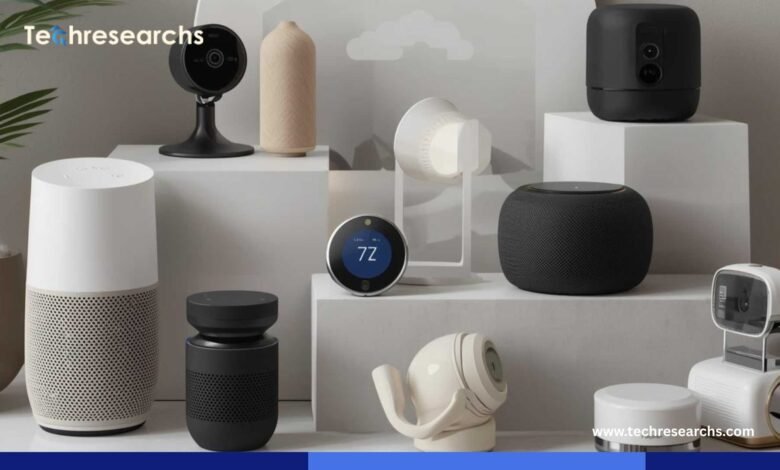
Technology has transformed homes into intelligent spaces. Smart Homes Gadgets now go beyond basic automation. They learn habits, respond to preferences, and make daily life easier.
In earlier times, home automation felt mechanical. Today, devices act with purpose and context. Because of AI and connected systems, modern homes feel more responsive than ever.
This shift did not happen overnight. Instead, it came through years of innovation and refinement. Let’s explore how these devices evolved into systems that truly understand users.
The Beginning of Smart Homes Gadgets
The first generation of Smart Homes Gadgets focused on simple automation. Devices followed fixed commands without adapting to users.
For example, programmable thermostats allowed temperature control. However, users had to adjust settings manually. Similarly, early lighting systems worked on timers rather than behavior.
Key limitations included:
- No learning ability
- Limited device communication
- Dependence on manual setup
Even with these limits, they introduced the idea of connected living.
The Rise of Intelligent Smart Homes Gadgets
As technology improved, devices became more advanced. The introduction of artificial intelligence changed everything.
Modern Smart Homes Gadgets now analyse patterns and make decisions. Instead of waiting for input, they act based on learned behaviour.
For instance:
- Lights adjust brightness depending on time
- Thermostats learn daily routines
- Speakers respond to natural voice commands
Because of these improvements, homes feel more intuitive and less mechanical.
Core Capabilities of Smart Homes Gadgets Today
Today’s systems offer features that enhance comfort and efficiency.
Smart Homes Gadgets with Voice Assistance
Voice control has become a central feature. Users can manage multiple devices without touching a screen.
Smart Homes Gadgets with Predictive Behaviour
Devices now anticipate actions. For example, they may switch on lights when you enter a room.
Connected Ecosystems
Modern homes link multiple devices into one system. This creates a seamless experience across rooms.
Energy Optimization
Smart systems track usage patterns. As a result, they reduce unnecessary energy consumption.
These features show how far home technology has progressed.
The Role of AI in Smart Homes Gadgets
Artificial intelligence drives the evolution of Smart Homes Gadgets. It allows systems to adapt over time.
AI enables devices to:
- Recognize user preferences
- Detect unusual patterns
- Provide suggestions for better efficiency
According to insights from trusted platforms like Forbes and Gartner, AI-powered homes will dominate future living trends.
This confirms that intelligent automation is not just a trend—it is the future.
Comparison Table: Traditional vs Modern Systems
| Feature | Earlier Devices | Modern Smart Systems |
|---|---|---|
| Learning Ability | None | Adaptive AI |
| User Input | Manual | Voice & automation |
| Connectivity | Limited | Fully integrated |
| Efficiency | Basic | Optimized |
| Security | Standard alarms | Smart monitoring |
Everyday Advantages of Smart Homes Gadgets
Modern homes offer practical benefits that improve daily routines.
Convenience
You can control devices remotely through mobile apps.
Efficiency
Automation reduces the need for repetitive tasks.
Safety
Advanced monitoring systems enhance home security.
Savings
Optimized energy use lowers electricity bills.
In addition, these systems simplify daily life without adding complexity.
Challenges in Smart Home Technology
Despite progress, some challenges still exist.
Data Privacy
Users remain cautious about how devices collect and use data.
Compatibility Gaps
Not all devices integrate smoothly across brands.
Initial Investment
Setting up a complete system can be costly.
However, ongoing innovation continues to address these issues.
What Lies Ahead for Smart Homes Gadgets
The future promises even smarter living environments.
Personalized Experiences
Devices will respond to mood and behavior more accurately.
Better Integration
All devices will work together without compatibility issues.
Eco-Friendly Solutions
Sustainable smart devices will reduce environmental impact.
Health-Focused Homes
Homes may monitor health conditions and suggest improvements.
These trends indicate a shift toward deeply personalized living spaces.
The journey of Smart Homes Gadgets reflects steady innovation. These devices have evolved from simple tools into intelligent systems that understand daily life.
As technology continues to advance, homes will become more responsive and efficient. Therefore, adopting smart solutions today can help create a more convenient and future-ready lifestyle.
FAQs
1. What do smart home devices actually do?
A. They automate and control home systems like lighting, temperature, and security.
2. Are these systems difficult to manage?
A. Most modern devices are user-friendly and controlled via apps or voice.
3. Do smart systems really reduce energy use?
A. Yes, they adjust usage based on behavior, which helps save energy.
4. Is it expensive to build a smart home?
A. Costs vary, but you can start small and expand over time.