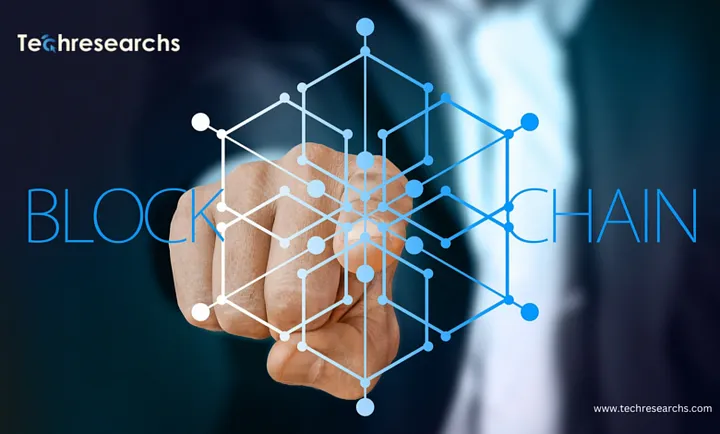
Blockchain technology has evolved far beyond cryptocurrency. In 2026, it has become a trusted digital infrastructure powering financial services, healthcare, supply chains, government systems, digital identity, and enterprise applications. Organizations worldwide are adopting blockchain to improve transparency, reduce fraud, automate business processes, and build trust between multiple parties.
With advancements in enterprise blockchain platforms, tokenization, decentralized identity (DID), zero-knowledge proofs, and AI-powered smart contracts, blockchain is now solving real-world business challenges instead of remaining an experimental technology.
In this article, we’ll explore five practical blockchain technology use cases that are reshaping industries and driving digital transformation.
What Is Blockchain Technology?
Blockchain is a decentralized digital ledger that records transactions across multiple computers. Every transaction is encrypted, time-stamped, and linked to the previous block, creating an immutable chain of records.
Unlike traditional databases controlled by a central authority, blockchain enables multiple participants to verify and share data securely without relying on a single intermediary.
Key Features
- Decentralization
- Transparency
- Data Integrity
- Smart Contracts
- High Security
- Immutable Records
- Improved Auditability
These characteristics make blockchain suitable for industries where trust, security, and compliance are essential.
Why Blockchain Adoption Is Growing in 2026
Several technology trends have accelerated blockchain adoption:
- AI integrated with blockchain automation
- Tokenization of real-world assets (RWAs)
- Decentralized Identity (DID)
- Cross-chain interoperability
- Enterprise blockchain networks
- Central Bank Digital Currency (CBDC) pilots
- Improved blockchain scalability through Layer-2 solutions
- Stronger regulatory frameworks across multiple countries
Businesses are no longer asking whether blockchain is useful—they’re determining where it delivers the greatest value.
1. Supply Chain Transparency and Product Traceability
One of blockchain’s most successful real-world applications is supply chain management.
Manufacturers, logistics providers, distributors, and retailers can record every stage of a product’s journey on a blockchain ledger. This creates a transparent, tamper-resistant history that helps verify authenticity, reduce fraud, and improve operational efficiency.
Benefits
- Real-time shipment tracking
- Counterfeit prevention
- Faster product recalls
- Regulatory compliance
- Improved supplier accountability
Industries Using It
- Food and agriculture
- Pharmaceuticals
- Luxury goods
- Automotive
- Electronics
Consumers can often scan a QR code to verify where a product originated and how it moved through the supply chain.
2. Digital Identity and Secure Authentication
Identity fraud continues to increase globally, making digital identity one of blockchain’s fastest-growing applications.
Blockchain-based decentralized identity solutions allow users to control their own credentials rather than relying on centralized databases vulnerable to cyberattacks.
Benefits
- Self-sovereign identity
- Reduced identity theft
- Faster customer onboarding
- Secure document verification
- Privacy protection
Common Applications
- Banking KYC
- Online education certificates
- Government IDs
- Employee verification
- Travel credentials
Combined with verifiable credentials and zero-knowledge proofs, users can prove information without exposing unnecessary personal data.
3. Financial Services and Cross-Border Payments
Financial institutions are increasingly leveraging blockchain to modernize payment systems and reduce transaction costs.
Traditional international transfers can take several days and involve multiple intermediaries. Blockchain enables near real-time settlements while lowering fees.
Key Advantages
- Faster international payments
- Lower transaction costs
- Transparent payment tracking
- Reduced fraud
- 24/7 transaction processing
Business Applications
- Cross-border remittances
- Digital asset settlements
- Trade finance
- Tokenized securities
- Corporate treasury management
Many banks are also exploring blockchain for programmable money and CBDC integration.
4. Healthcare Data Management
Healthcare organizations generate enormous volumes of sensitive patient information.
Blockchain provides a secure framework for managing medical records while maintaining patient privacy and regulatory compliance.
Benefits
- Secure patient record sharing
- Prescription verification
- Clinical trial transparency
- Medical device tracking
- Reduced healthcare fraud
Real-World Impact
Patients can grant authorized healthcare providers access to medical records without relying on fragmented databases, improving continuity of care while maintaining control over personal data.
5. Smart Contracts and Business Process Automation
Smart contracts are self-executing programs stored on blockchain networks.
When predefined conditions are met, the contract automatically performs agreed actions without requiring manual intervention.
Advantages
- Reduced paperwork
- Lower administrative costs
- Faster transactions
- Improved compliance
- Fewer human errors
Industry Applications
- Insurance claims
- Real estate transactions
- Legal agreements
- Procurement
- Payroll automation
- Digital licensing
As AI technologies mature, organizations are increasingly combining AI with smart contracts to automate decision-making while maintaining transparent execution records.
Emerging Blockchain Trends Beyond These Use Cases
Blockchain innovation continues rapidly in 2026.
Tokenization of Real-World Assets
Assets such as real estate, government bonds, commodities, and artwork are increasingly represented as digital tokens, improving liquidity and accessibility.
Decentralized Finance (DeFi)
Financial services built on blockchain continue expanding with improved security, institutional participation, and regulatory oversight.
Blockchain and Artificial Intelligence
Blockchain helps verify AI-generated data, secure training datasets, and create transparent audit trails for AI systems.
Green Blockchain
Energy-efficient consensus mechanisms such as Proof of Stake (PoS) significantly reduce environmental impact compared to earlier blockchain models.
Challenges Businesses Should Consider
Despite its advantages, blockchain implementation comes with challenges.
Scalability
Large enterprise applications require networks capable of processing thousands of transactions per second.
Regulatory Compliance
Organizations must comply with evolving regulations governing digital assets, privacy, and cross-border data transfers.
Integration Complexity
Legacy systems often require significant modernization before blockchain integration.
Skills Gap
Finding professionals with expertise in blockchain architecture, smart contracts, and cybersecurity remains challenging.
Best Practices for Enterprise Blockchain Adoption
Organizations planning blockchain initiatives should:
- Start with clearly defined business problems.
- Select the appropriate blockchain architecture.
- Prioritize cybersecurity and privacy.
- Ensure regulatory compliance from the beginning.
- Integrate with existing enterprise systems.
- Monitor network performance continuously.
- Develop governance policies for blockchain operations.
The Future of Blockchain Technology
Blockchain is becoming a foundational technology for digital trust.
As enterprise adoption increases and interoperability improves, blockchain will continue supporting secure data sharing, digital identity, tokenized assets, automated contracts, and transparent business ecosystems.
Industries embracing blockchain strategically are likely to gain operational efficiency, stronger security, and greater customer trust over the coming years.
Conclusion
Blockchain technology has moved beyond its association with cryptocurrencies to become a powerful platform for solving real business challenges. From supply chain visibility and secure digital identities to healthcare, financial services, and smart contract automation, blockchain is delivering measurable value across industries.
Organizations that adopt blockchain with clear objectives, strong governance, and modern security practices will be well positioned to thrive in the evolving digital economy of 2026.
Frequently Asked Questions (FAQs)
1. What are the most common blockchain technology use cases?
Supply chain management, digital identity, financial services, healthcare, and smart contract automation are among the most widely adopted blockchain applications.
2. Is blockchain only used for cryptocurrencies?
No. Blockchain supports many industries beyond cryptocurrencies, including healthcare, logistics, government services, finance, manufacturing, and education.
3. How do smart contracts work?
Smart contracts automatically execute predefined actions when specified conditions are met, eliminating the need for manual processing.
4. Is blockchain secure?
Blockchain offers strong security through cryptography, decentralization, and immutable records, though organizations must still implement robust cybersecurity practices.