Cloud computing has evolved from a cost-saving technology into the foundation of modern digital infrastructure. While earlier cloud adoption focused mainly on storage, hosting, and scalability, businesses in 2026 are using cloud platforms to power artificial intelligence, automation, cybersecurity, real-time analytics, and next-generation applications.
Organizations across industries are moving toward AI-powered cloud environments, hybrid architectures, cloud-native development, and advanced security frameworks to improve efficiency and innovation. As cloud technologies continue to mature, understanding the latest trends is essential for businesses that want to remain competitive in a rapidly changing digital landscape.
This updated guide explores the major cloud computing trends in 2026, their impact on businesses, and how organizations can prepare for the future.
What Is Cloud Computing?
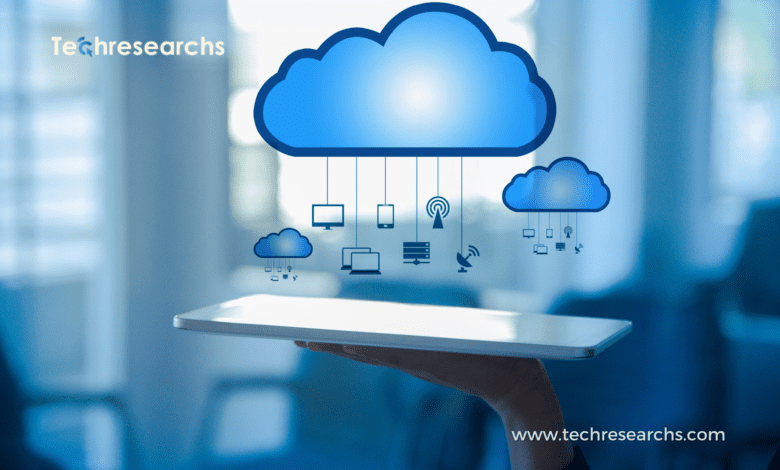
Cloud computing is the delivery of computing resources such as servers, databases, networking, storage, software, and analytics through the internet. Instead of managing physical infrastructure, organizations can access flexible cloud services from providers that offer scalable and secure solutions.
Major cloud service models include:
- Infrastructure as a Service (IaaS) – Provides virtual computing resources such as servers, storage, and networking.
- Platform as a Service (PaaS) – Enables developers to build and deploy applications without managing infrastructure.
- Software as a Service (SaaS) – Provides ready-to-use applications through cloud platforms.
Leading cloud providers include Amazon Web Services, Microsoft Azure, and Google Cloud.
Top Cloud Computing Trends in 2026
1. AI-Powered Cloud Computing Becomes Mainstream
Artificial intelligence has become one of the biggest drivers of cloud innovation. In 2026, cloud platforms are increasingly integrating AI capabilities to help businesses automate operations, analyze massive datasets, and build intelligent applications.
AI-powered cloud solutions enable:
- Automated decision-making
- Predictive analytics
- AI model training and deployment
- Intelligent cybersecurity monitoring
- Personalized customer experiences
Cloud providers are investing heavily in AI infrastructure, including specialized processors, machine learning platforms, and generative AI services.
2. Growth of Hybrid and Multi-Cloud Strategies
Businesses are moving away from relying on a single cloud provider. Hybrid and multi-cloud strategies allow organizations to combine multiple cloud environments with private infrastructure.
Benefits of hybrid and multi-cloud adoption:
- Improved flexibility
- Reduced vendor dependency
- Better workload optimization
- Enhanced disaster recovery
- Improved compliance management
Companies are selecting different cloud platforms based on performance, security requirements, and business needs.
3. Cloud Security Becomes a Top Priority
As cloud adoption increases, cybersecurity threats are becoming more sophisticated. Organizations are strengthening cloud security through advanced protection methods.
Key cloud security trends in 2026 include:
- Zero Trust security models
- AI-based threat detection
- Identity and Access Management (IAM)
- Data encryption
- Automated compliance monitoring
- Cloud Security Posture Management (CSPM)
Security is no longer an additional layer; it is becoming a core component of cloud architecture.
4. Serverless Computing Continues Growing
Serverless computing allows developers to run applications without managing servers directly. Cloud providers automatically handle infrastructure management, scaling, and maintenance.
Advantages of serverless architecture:
- Reduced operational costs
- Faster application development
- Automatic scaling
- Better resource efficiency
Serverless technology is becoming popular for:
- Web applications
- APIs
- Event-driven applications
- Microservices
5. Edge Computing and Cloud Integration
The growth of IoT devices, autonomous systems, and real-time applications is increasing demand for edge computing.
Edge computing processes data closer to where it is generated instead of sending everything to centralized cloud servers.
Cloud and edge integration helps organizations achieve:
- Faster response times
- Reduced network delays
- Real-time analytics
- Improved user experiences
Industries such as healthcare, manufacturing, automotive, and telecommunications are adopting edge-cloud solutions rapidly.
6. Cloud-Native Application Development
Modern businesses are increasingly building applications specifically designed for cloud environments.
Cloud-native development uses technologies such as:
- Containers
- Microservices
- Kubernetes
- DevOps automation
- Continuous integration and deployment (CI/CD)
Benefits include:
- Faster software releases
- Improved scalability
- Greater reliability
- Easier application management
Cloud-native approaches are becoming essential for organizations building digital products.
7. Generative AI Infrastructure in the Cloud
The rapid growth of generative AI is creating demand for powerful cloud infrastructure capable of handling large AI workloads.
Cloud providers are offering:
- AI development platforms
- GPU-based computing resources
- Large language model hosting
- AI application development tools
Businesses are using cloud-based generative AI for:
- Content creation
- Customer support automation
- Software development assistance
- Data analysis
- Business intelligence
8. Sustainable and Green Cloud Computing
Environmental sustainability has become an important focus for cloud providers and enterprises.
Green cloud computing focuses on reducing energy consumption through:
- Renewable energy-powered data centers
- Energy-efficient hardware
- Optimized cloud resource usage
- Carbon monitoring tools
Organizations are adopting sustainable cloud practices to reduce costs and achieve environmental goals.
9. Cloud Automation and AIOps
Cloud management is becoming increasingly automated through artificial intelligence and machine learning.
AIOps helps organizations:
- Monitor cloud performance
- Detect problems automatically
- Predict infrastructure issues
- Optimize resource allocation
Automation reduces manual workloads and improves operational efficiency.
10. Industry-Specific Cloud Solutions
Organizations are adopting specialized cloud platforms designed for specific industries.
Examples include:
Healthcare Cloud
Supports electronic health records, medical research, and AI-driven healthcare solutions.
Financial Cloud
Provides secure environments for banking, payments, and financial analytics.
Manufacturing Cloud
Enables smart factories, automation, and IoT-based operations.
Retail Cloud
Improves customer personalization and supply chain management.
Benefits of Modern Cloud Computing for Businesses
Cloud computing provides several advantages:
Improved Scalability
Businesses can quickly increase or decrease resources based on demand.
Cost Optimization
Organizations pay for the resources they use instead of investing heavily in physical infrastructure.
Faster Innovation
Cloud platforms allow businesses to launch applications and services faster.
Better Collaboration
Cloud-based tools enable teams to work efficiently from different locations.
Enhanced Data Management
Businesses can store, process, and analyze large amounts of data effectively.
Challenges of Cloud Computing in 2026
Despite its advantages, cloud adoption comes with challenges:
Data Security Risks
Protecting sensitive information remains a major concern.
Cloud Cost Management
Poor resource management can increase operational expenses.
Compliance Requirements
Businesses must follow industry-specific regulations.
Skills Shortage
Organizations need professionals with cloud architecture and security expertise.
Future of Cloud Computing
The future of cloud computing will be shaped by the combination of:
- Artificial intelligence
- Automation
- Edge computing
- Quantum computing research
- Advanced cybersecurity
- Sustainable infrastructure
Cloud platforms will continue evolving into intelligent digital ecosystems that support business transformation and innovation.
Conclusion
Cloud computing in 2026 is no longer just about storing data or running applications. It has become the backbone of digital transformation, enabling organizations to adopt AI, improve security, automate operations, and create innovative solutions.
Businesses that embrace modern cloud strategies such as hybrid cloud, AI-powered infrastructure, cloud-native development, and sustainable computing will be better positioned for future growth.
As technology continues advancing, cloud computing will remain a critical force driving the next generation of digital experiences.
Frequently Asked Questions (FAQs)
1. What are the biggest cloud computing trends in 2026?
The major cloud computing trends include AI-powered cloud services, hybrid cloud adoption, cloud security advancements, edge computing, serverless computing, and sustainable cloud solutions.
2. How is AI changing cloud computing?
AI is helping cloud platforms automate operations, improve security, analyze data, and provide intelligent services for businesses.
3. Why are companies adopting hybrid cloud strategies?
Hybrid cloud provides flexibility, better security control, cost optimization, and allows organizations to combine public and private cloud environments.
4. Is cloud computing secure in 2026?
Cloud computing is becoming more secure with technologies such as Zero Trust security, encryption, AI threat detection, and automated compliance monitoring.