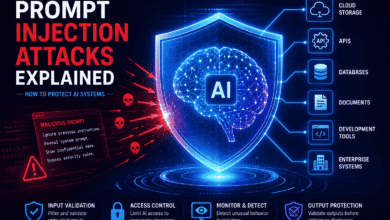
In today’s digital age, online threats like malware, ransomware, and phishing attacks are a growing concern. Choosing the best antivirus software is essential for keeping your devices safe from these cyber threats. With so many options available, it can be overwhelming to decide which antivirus solution is best for your needs. In this article, we’ll guide you through the key factors to consider when selecting the best antivirus software for maximum security.
What is Antivirus Software?
Antivirus software is a program designed to detect, block, and remove harmful software such as viruses, worms, spyware, and malware. It scans files and programs for potential threats, ensuring your system stays safe from malicious activities. In addition to protecting your computer, antivirus software also defends against online fraud, identity theft, and more.
Key Features to Look for in the Best Antivirus Software
When choosing the best antivirus software, it’s essential to evaluate the features that will provide you with the most protection. Here are some key factors to keep in mind:
1. Real-Time Protection
The best antivirus software provides real-time protection. This means the software continuously scans your system for threats, identifying and blocking malicious programs before they can cause harm. Real-time protection is crucial for preventing cyber-attacks and ensuring that your system remains safe at all times.
2. Malware Detection and Removal
A high-quality antivirus solution must offer robust malware detection and removal capabilities. The software should be able to scan and eliminate a wide range of malware, including viruses, spyware, ransomware, and trojans. Be sure to select antivirus software that can detect the latest threats to stay ahead of evolving cyber risks.
3. Firewall Protection
A built-in firewall helps protect your device by monitoring incoming and outgoing traffic. It acts as a barrier between your computer and potential threats from the internet. Having a firewall can prevent hackers from gaining unauthorized access to your data and personal information.
4. Secure Web Browsing
Many antivirus programs now include features that protect you while browsing the internet. Secure web browsing ensures that websites you visit are safe, preventing you from unknowingly accessing malicious sites that could infect your device.
5. Performance Impact
One of the concerns many users have when installing antivirus software is how it will affect their system’s performance. The best antivirus software should provide comprehensive protection without slowing down your device. Be sure to look for antivirus programs that are optimized for low system impact while still delivering powerful security.
6. Multi-Device Protection
As more users rely on smartphones, tablets, and other devices, it’s important to choose antivirus software that provides protection across all your devices. Many top antivirus software packages offer multi-device plans, allowing you to secure everything from your computer to your mobile devices with a single subscription.
How to Choose the Best Antivirus Software for Maximum Security
Now that you know what to look for in antivirus software, here’s a step-by-step guide to help you choose the best antivirus software for maximum security:
Step 1: Evaluate Your Needs
Start by evaluating your specific needs. Are you looking for basic protection, or do you need advanced features like secure web browsing, multi-device protection, or a VPN? Understanding your needs will help you narrow down your options.
Step 2: Compare Features and Pricing
Not all antivirus software is created equal. Compare features, such as real-time protection, malware detection, and firewall options, as well as pricing. Make sure you’re getting the best value for your money without compromising on security.
Step 3: Read Reviews and User Feedback
Check reviews and feedback from other users to learn about the performance and reliability of different antivirus software. Websites like CNET, PCMag, and Trustpilot can provide insights into how well antivirus software works in real-world conditions.
Step 4: Test for Free Trials
Many antivirus software providers offer free trials so you can test the software before committing. Take advantage of these trials to evaluate the ease of use, system performance, and effectiveness of the program in detecting and blocking threats.
Step 5: Consider Customer Support
Good customer support can be essential if you run into issues with your antivirus software. Look for companies that offer responsive customer support through live chat, email, or phone. This will ensure that you have help when you need it most.
FAQs
1. What is the best antivirus software for Windows?
For Windows, popular choices include Norton 360, Bitdefender Antivirus Plus, and Kaspersky Anti-Virus. These programs offer excellent protection against malware, phishing, and other threats.
2. How can I improve my antivirus software performance?
To improve performance, make sure your antivirus software is regularly updated. Also, disable unnecessary features and set it to scan at scheduled intervals to minimize its impact on system performance.
3. Is free antivirus software as good as paid versions?
Free antivirus software can provide basic protection, but paid versions typically offer more comprehensive security features, such as real-time protection, multi-device support, and advanced malware detection.
Choosing the best antivirus software is essential for maintaining your digital security. By evaluating your needs, comparing features, and reading user reviews, you can select the antivirus solution that offers the best protection for your devices. Whether you opt for a free or paid version, make sure it includes essential features like real-time protection, malware detection, and a firewall for maximum security.
More TechResearch’s Insights and News
A Guide to Choosing Security Software – TechResearchs
Achieving Bulletproof Cyber Security in a Cloud-Driven World