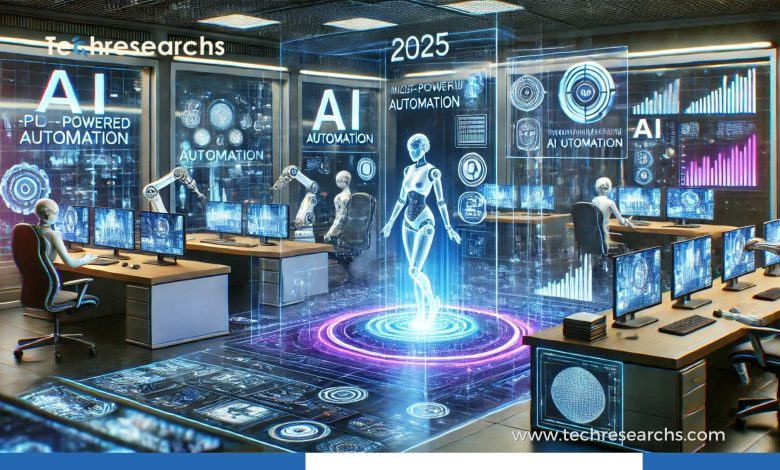
In 2025, AI-powered automation tools are revolutionizing industries by streamlining operations, increasing efficiency, and reducing human effort. Businesses are leveraging AI-powered automation tools to optimize workflows, enhance customer service, and drive growth. This article explores the best AI-powered automation tools in 2025, highlighting their key features and benefits.
What Is AI-Powered Automation Tools?
AI-powered automation tools use artificial intelligence to perform repetitive tasks, analyze data, and make decisions with minimal human intervention. These tools help businesses automate processes in areas such as customer service, marketing, finance, and IT operations.
Top AI-Powered Automation Tools in 2025
1. UiPath – Leading AI-Powered RPA Solution
UiPath is a top AI-powered automation tool that excels in robotic process automation (RPA). It automates repetitive tasks like data entry, invoice processing, and customer interactions. Key Features:
- AI-driven bots for intelligent automation
- Seamless integration with existing systems
- Advanced analytics for process optimization
2. Zapier – No-Code AI Automation for Businesses
Zapier simplifies workflow automation by connecting different applications. It enables businesses to automate tasks without coding. Key Features:
- Connects over 5,000 apps
- AI-powered task management
- User-friendly interface for non-tech users
3. Automation Anywhere – Smart AI Bots for Enterprises
Automation Anywhere provides AI-powered bots for enterprise-level automation. It enhances productivity and efficiency across various industries. Key Features:
- Cognitive automation for intelligent decision-making
- Cloud-based RPA solutions
- AI-powered document processing
4. ChatGPT – AI-Powered Conversational Automation
ChatGPT, developed by OpenAI, is an advanced chatbot used for customer service automation, content creation, and business communication. Key Features:
- AI-driven natural language processing (NLP)
- Seamless integration with websites and apps
- 24/7 customer support automation
5. HubSpot – AI-Powered Marketing Automation
HubSpot leverages AI to automate marketing campaigns, customer interactions, and lead nurturing. Key Features:
- AI-powered email marketing automation
- Smart chatbots for customer engagement
- Advanced analytics for performance tracking
Benefits of AI-Powered Automation Tools
Increased Productivity
AI-powered automation tools help businesses complete tasks faster, reducing manual work and increasing efficiency.
Cost Savings
By automating repetitive tasks, businesses save money on labor costs and reduce errors.
Enhanced Customer Experience
AI-driven chatbots and automation improve response times and provide personalized experiences.
Data-Driven Decision Making
AI-powered analytics provide insights that help businesses make informed decisions.
Challenges of AI-Powered Automation Tools
Implementation Costs
Setting up AI-powered systems can be expensive for small businesses.
Data Privacy Concerns
Handling sensitive data requires robust security measures to prevent breaches.
Workforce Adaptation
Employees need training to work alongside AI tools effectively.
The Future of AI-Powered Automation Tools
The future of AI-powered automation tools looks promising, with advancements in machine learning, natural language processing (NLP), and intelligent automation. Businesses will continue to adopt AI solutions for enhanced efficiency and innovation.
FAQs
Q1: What industries benefit from AI-powered automation tools?
A: Industries like healthcare, finance, retail, and IT benefit from AI automation for improved efficiency and productivity.
Q2: How can small businesses use AI-powered automation tools?
A: Small businesses can use AI tools for marketing automation, customer support, and workflow optimization.
Q3: Are AI-powered automation tools secure?
A: Yes, but businesses must implement proper security protocols to protect data.
Q4: What is the best AI-powered automation tool in 2025?
A: It depends on business needs; UiPath, Zapier, and Automation Anywhere are among the top options.
Comparison Table of AI-Powered Automation Tools
| Tool Name | Best For | Key Features |
|---|---|---|
| UiPath | Enterprise RPA Automation | AI-driven bots, advanced analytics |
| Zapier | No-Code Workflow Automation | Connects 5,000+ apps, AI task management |
| Automation Anywhere | Smart AI Bots for Enterprises | Cognitive automation, document processing |
| ChatGPT | Conversational AI | NLP, 24/7 chatbot support |
| HubSpot | Marketing Automation | AI-powered email campaigns, smart chatbots |
AI-powered automation tools are transforming businesses by automating tasks, improving efficiency, and enhancing customer experiences. As AI technology advances, these tools will become even more sophisticated, driving innovation across industries. Businesses that adopt AI-powered automation tools will gain a competitive edge in 2025 and beyond.