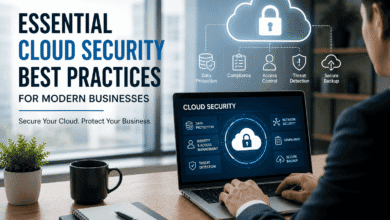
Your computer can be exposed to malware, ransomware, phishing attempts, spyware, and other online threats every time you browse the web, download a file, open an email attachment, or install an application. That makes antivirus software an important part of a modern security setup.
However, choosing antivirus software is not simply about picking the product with the most features. A good solution should provide reliable threat detection, protect you in real time, work without noticeably slowing your device, and offer features that match the way you actually use your computer.
What Does Antivirus Software Do?
Antivirus software is designed to identify, block, quarantine, and remove malicious programs from your device. Modern security products have expanded beyond traditional virus scanning and can also help defend against ransomware, spyware, malicious websites, suspicious downloads, and other forms of cybercrime.
For example, ransomware can encrypt files and prevent users from accessing their own data. CISA recommends keeping antivirus and anti-malware tools updated and enabling automatic updates to improve protection against malware and ransomware.
Why Choosing the Right Antivirus Matters
Not every antivirus product offers the same level of protection. Some focus mainly on malware detection, while others combine antivirus protection with features such as phishing protection, firewall controls, password management, VPN services, identity monitoring, or parental controls.
Independent testing is therefore useful when comparing products. AV-TEST, for example, evaluates security products based on protection, performance, and usability rather than relying only on manufacturer claims.
The best choice depends on your device, online habits, budget, and the level of protection you need.
Key Features to Look for in Antivirus Software
1. Strong Real-Time Protection
Real-time protection should be one of your first priorities. Instead of waiting for you to start a manual scan, the software continuously monitors files, applications, downloads, and other activity for suspicious behavior.
This can help stop threats before they have an opportunity to cause significant damage.
2. Reliable Malware Detection
Look for software that performs well in independent security tests. Detection rates matter because antivirus software needs to recognize both familiar malware and newer threats.
Rather than judging a product solely by advertisements or online popularity, compare recent results from reputable independent testing organizations.
3. Ransomware Protection
Ransomware deserves special attention because an infection can lock important files and disrupt personal or business activities. Some security suites include dedicated ransomware protection that monitors suspicious changes to protected files and folders.
Still, antivirus protection should not be your only defense. Maintaining secure backups is also important because antivirus software cannot guarantee that every attack will be stopped.
4. Phishing and Web Protection
Many cyberattacks begin with a deceptive website, email, advertisement, or download. Antivirus software with web protection can warn you when you attempt to access a known malicious or suspicious website.
This feature is particularly useful if you frequently shop online, use internet banking, work remotely, or receive large numbers of emails.
5. Low System Impact
Security software should protect your device without making everyday tasks frustrating.
Pay attention to how much the antivirus affects startup time, application performance, gaming, browsing, and battery life. Independent testing commonly considers performance alongside protection, making it easier to identify products that balance security with usability.
6. Automatic Updates
Cyber threats change constantly, so an antivirus program that is rarely updated can quickly become less useful.
Choose software that automatically updates its threat definitions and security components. CISA specifically recommends automatic updates for antivirus and anti-malware software.
7. Multi-Device Support
If you own a Windows laptop, Mac, smartphone, or tablet, check whether the antivirus plan supports all the devices you want to protect.
A multi-device subscription can be more convenient than purchasing separate security products for every device.
Free vs. Paid Antivirus Software
Free antivirus programs can be suitable for users who need basic malware protection and do not require many additional features.
Paid security suites may provide broader protection, including enhanced web security, ransomware controls, privacy tools, identity monitoring, VPN access, parental controls, or cloud-based backup features.
The important question is not whether paid software is automatically better. Instead, consider whether the additional features solve a real security need for you.
How to Compare Antivirus Programs
Before making a decision, create a simple comparison based on the areas that matter most:
| Feature | What to Check |
|---|---|
| Malware protection | Recent independent test results |
| Real-time scanning | Always-on threat monitoring |
| Ransomware protection | Behavioral and file protection |
| Web security | Malicious website and phishing detection |
| Performance | Effect on speed and battery life |
| Updates | Automatic security and definition updates |
| Device support | Windows, macOS, Android, or iOS compatibility |
| Privacy | Data collection and privacy policies |
| Price | First-year and renewal costs |
| Support | Available customer service options |
This approach makes it easier to compare products without being distracted by long feature lists.
Consider Your Personal Usage
Your online behavior should influence your choice.
If you mainly browse websites and check email, a lightweight antivirus with strong real-time and web protection may be enough. Someone who downloads software frequently may benefit from stronger download and ransomware protection.
Families may prefer plans that cover multiple devices and include parental controls. Businesses, meanwhile, often need centrally managed endpoint security, policy controls, monitoring, and additional detection capabilities.
Don’t Ignore Privacy
Security software can have access to sensitive information on your device, so privacy deserves attention.
Before installing an antivirus product, review its privacy policy and understand what information it collects, why it collects that information, and how long it retains it.
A security tool should improve your protection without creating unnecessary privacy concerns.
Antivirus Is Only One Layer of Security
Even the best antivirus software cannot replace good cybersecurity habits.
Use strong and unique passwords, enable multi-factor authentication where available, keep your operating system and applications updated, avoid suspicious links and attachments, and maintain reliable backups.
CISA also recommends measures such as phishing awareness, timely software updates, MFA, and secure backups as part of broader protection against ransomware and other attacks.
Think of antivirus software as one layer in a larger security strategy rather than a complete solution by itself.
Final Thoughts
Choosing the best antivirus software for maximum security comes down to finding the right balance between protection, performance, features, privacy, compatibility, and price.
Start by checking independent security tests, then look at the threats you are most likely to encounter. Make sure the software provides real-time protection, automatic updates, strong malware detection, and useful web and ransomware defenses.
Most importantly, keep your antivirus updated and combine it with secure browsing habits, strong authentication, software updates, and regular backups. A layered approach gives you a much stronger defense than relying on a single security application.
Frequently Asked Questions
1. How do I know which antivirus software is right for my device?
The right antivirus depends on your device, browsing habits, required features, performance needs, and budget.
2. Is free antivirus software enough for everyday protection?
Free antivirus can provide basic malware protection, while paid plans may offer additional security and privacy features.
3. Can antivirus software protect my computer from ransomware?
Many modern antivirus programs include ransomware protection, but regular backups and safe browsing habits are also important.
4. Does antivirus software slow down a computer?
Some antivirus programs can affect performance, but well-optimized software is designed to keep the impact as low as possible.