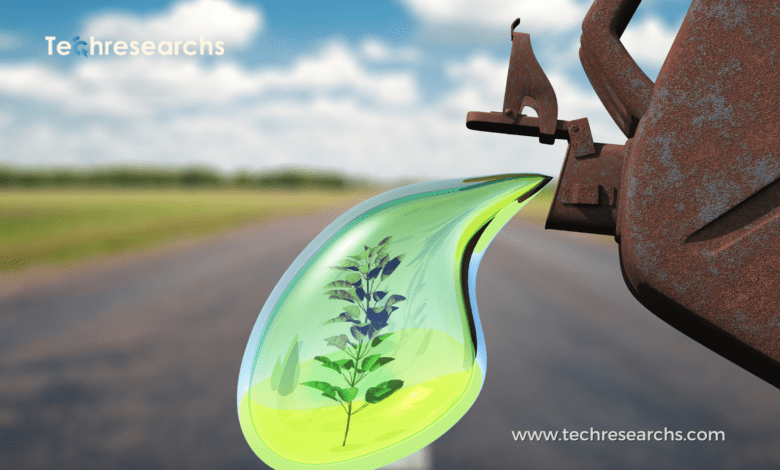
The global transition toward cleaner energy is accelerating as governments, industries, and consumers look for alternatives to fossil fuels. Among the technologies supporting this transition, biofuels have emerged as an important renewable energy option. Produced from biological materials such as agricultural residues, vegetable oils, animal fats, and organic waste, biofuels can provide lower-carbon alternatives to conventional gasoline, diesel, and other fossil-based fuels.
Unlike some renewable energy technologies that primarily generate electricity, biofuels can directly support transportation, aviation, shipping, agriculture, and industrial applications. This makes them particularly valuable in sectors where replacing liquid fuels with electricity remains challenging.
As technology improves and the focus shifts toward sustainable feedstocks, advanced biofuels could become an increasingly important part of the global clean-energy mix.
What Are Biofuels?
Biofuels are fuels produced from renewable biological resources. These resources can include crops, plant oils, forestry residues, agricultural waste, food waste, and other forms of organic matter.
Common biofuels include:
- Ethanol: Often blended with gasoline for use in road transportation.
- Biodiesel: Produced from vegetable oils, animal fats, or recycled cooking oils and used in diesel engines.
- Renewable diesel: A fuel chemically similar to petroleum diesel but produced from renewable biological feedstocks.
- Biogas: Generated when organic materials decompose without oxygen and can be upgraded into biomethane.
- Sustainable aviation fuel (SAF): Renewable or waste-derived aviation fuel designed to reduce the carbon footprint of air travel.
- Advanced biofuels: Fuels produced from non-food feedstocks such as agricultural residues, waste materials, and algae.
Why Biofuels Matter in the Renewable Energy Transition
The energy transition requires more than replacing coal-fired electricity with solar and wind power. Transportation and industrial sectors also need cleaner fuel options.
Biofuels can contribute to this transition because they can often be integrated into existing engines, vehicles, fuel distribution systems, and industrial infrastructure with fewer changes than completely new energy systems.
For example, blending ethanol with gasoline can reduce dependence on petroleum-based fuels, while renewable diesel can serve applications that currently rely heavily on conventional diesel.
Biofuels can therefore complement electric vehicles, hydrogen, solar power, wind energy, and other clean-energy technologies rather than competing with all of them directly.
Types of Biofuels and Their Applications
1. Ethanol
Ethanol is one of the most widely used biofuels. It can be produced through the fermentation of sugars and starches found in crops such as corn and sugarcane.
It is commonly blended with gasoline and can help diversify fuel supplies. However, sustainable ethanol production depends on factors such as agricultural practices, land use, water consumption, and processing efficiency.
2. Biodiesel
Biodiesel is produced from renewable oils and fats. Feedstocks may include soybean oil, rapeseed oil, used cooking oil, and animal fats.
It can be blended with conventional diesel and used in many diesel-powered applications. Waste-based biodiesel can be particularly attractive because it turns discarded materials into useful energy resources.
3. Renewable Diesel
Renewable diesel is different from traditional biodiesel because it can be chemically similar to petroleum diesel. It is commonly produced through processes that convert fats, oils, and other biological feedstocks into hydrocarbon fuels.
Its compatibility with existing diesel infrastructure makes it useful for transportation, logistics, agriculture, and industrial applications.
4. Biogas and Biomethane
Biogas is produced when microorganisms break down organic material in an oxygen-free environment. Feedstocks can include agricultural waste, food waste, sewage, and animal manure.
After purification, biogas can become biomethane, which can be used for heating, electricity generation, or transportation.
This approach also offers a waste-management benefit by converting organic waste into energy.
5. Sustainable Aviation Fuel
Aviation is one of the transportation sectors where electrification is particularly difficult for long-distance travel. Sustainable aviation fuel is therefore receiving significant attention.
SAF can be produced from certain waste oils, agricultural residues, and other approved renewable feedstocks. Its potential role is significant because it can reduce aviation emissions without requiring the industry to completely replace existing aircraft with electric alternatives.
The Role of Advanced Biofuels
Traditional biofuel production can face concerns about food competition and land use. Advanced biofuels attempt to address some of these challenges by using materials that do not necessarily compete directly with food production.
Potential feedstocks include:
- Crop residues
- Forestry residues
- Municipal organic waste
- Used cooking oil
- Agricultural by-products
- Certain forms of algae
- Industrial biological waste
Technologies that convert these materials into fuels can increase the amount of usable energy obtained from existing biological resources.
This shift toward waste-based and residue-based production is an important development in making biofuels more sustainable.
Environmental Benefits of Biofuels
Biofuels can provide several environmental advantages when produced responsibly.
Reduced Dependence on Fossil Fuels
Using renewable biological resources can reduce reliance on petroleum, particularly in transportation and industrial applications.
Potentially Lower Lifecycle Emissions
The climate benefits of biofuels depend on how they are produced. Fuels made from waste materials or sustainable residues can offer significant emissions advantages compared with fossil fuels, while some crop-based systems may provide smaller benefits.
Therefore, evaluating the complete lifecycle—from feedstock production to processing, transportation, and final fuel use—is essential.
Waste-to-Energy Opportunities
Biofuel production can transform agricultural residues, food waste, used cooking oil, and other organic materials into valuable energy resources.
This creates an opportunity to address both energy demand and waste-management challenges.
Support for Circular Economy Models
Biofuels can contribute to a circular economy by keeping biological materials in productive use for longer. Instead of treating certain organic materials as waste, industries can recover their energy value and create useful fuel products.
Challenges Facing the Biofuel Industry
Despite their potential, biofuels are not automatically sustainable. Several challenges must be considered.
Feedstock Availability
Large-scale biofuel production requires reliable supplies of suitable biological materials. Competition for land, water, agricultural resources, and biomass can limit expansion.
Land-Use Concerns
Growing energy crops can create pressure on agricultural land and ecosystems. Responsible policies are therefore needed to prevent biofuel expansion from contributing to deforestation or biodiversity loss.
Production Costs
Advanced biofuel technologies can require significant investment in processing facilities, infrastructure, research, and supply chains. Cost competitiveness remains an important factor in wider adoption.
Lifecycle Emissions
The environmental performance of a biofuel depends on its entire production chain. Fertilizer use, land conversion, transportation, processing energy, and other factors can influence its overall carbon footprint.
Supply Chain Complexity
Biomass is often geographically dispersed. Collecting, storing, transporting, and processing it efficiently can be more complicated than handling concentrated fossil-fuel resources.
Biofuels and the Future of Transportation
Transportation is expected to remain one of the most important markets for biofuels.
Electric vehicles are expanding rapidly in passenger transportation, but some heavy-duty, long-distance, maritime, and aviation applications present different technical challenges. Biofuels can help provide lower-carbon liquid fuel options for these areas.
A future transportation system may therefore use a combination of:
- Battery-electric vehicles
- Hydrogen-powered systems
- Sustainable aviation fuels
- Renewable diesel
- Advanced biofuels
- Other low-carbon technologies
The most suitable technology will depend on the vehicle type, distance, infrastructure, energy requirements, and regional conditions.
Biofuels and the Circular Economy
One of the most promising aspects of modern biofuel development is its connection with the circular economy.
Agricultural industries generate enormous quantities of residues and by-products. Food processing creates organic waste, while restaurants and households produce used cooking oil and other biodegradable materials.
Instead of allowing these resources to become waste, appropriate collection and conversion systems can transform them into energy.
This model can create additional revenue streams for farmers and businesses while reducing waste and improving resource efficiency.
The Role of Technology and Innovation
Technological innovation is helping improve the efficiency and sustainability of biofuel production.
Important areas of development include:
- Advanced fermentation technologies
- Cellulosic biomass conversion
- Waste-based fuel production
- Algae-based research
- Improved enzymes and microorganisms
- More efficient biorefineries
- Carbon accounting and lifecycle analysis
- Digital monitoring of biomass supply chains
Artificial intelligence and data analytics may also help optimize feedstock selection, production processes, logistics, and energy consumption.
As these technologies mature, they could help reduce production costs and improve the environmental performance of biofuels.
Biofuels in the Global Energy Landscape
Different regions have different opportunities for biofuel development. Countries with large agricultural sectors may have significant access to crop residues and agricultural by-products. Regions with strong waste-management systems can potentially expand waste-to-energy projects.
Government policies also play an important role through fuel standards, renewable-energy targets, emissions regulations, incentives, and research funding.
However, effective policy should focus not simply on increasing biofuel production but on encouraging sustainable biofuel production.
What Does the Future Hold for Biofuels?
The future of biofuels will likely depend on moving beyond conventional feedstocks toward more sustainable and efficient resources.
The strongest opportunities may come from fuels produced using waste, agricultural residues, forestry by-products, and other feedstocks that minimize competition with food production and sensitive ecosystems.
Biofuels are unlikely to replace every fossil fuel application. Instead, they are more likely to become one component of a broader renewable energy system alongside solar, wind, batteries, hydrogen, and other low-carbon technologies.
Conclusion
Biofuels have an important role to play in the transition toward a more sustainable energy system. Their ability to convert biological resources and waste into usable fuels makes them particularly valuable for transportation and other sectors where complete electrification can be difficult.
However, the sustainability of biofuels depends on responsible feedstock selection, efficient production, careful land management, and transparent lifecycle emissions assessment.
The next generation of biofuels will increasingly focus on waste materials, agricultural residues, advanced conversion technologies, and efficient biorefineries. With continued innovation and responsible policies, biofuels can complement other renewable technologies and contribute to a more diversified, resilient, and lower-carbon energy landscape.
Ultimately, the future of renewable energy will not depend on a single technology. Biofuels can be part of a broader strategy that combines multiple clean-energy solutions to meet the world’s growing energy needs while reducing environmental impact.
Frequently Asked Questions (FAQ)
1. What are biofuels?
Biofuels are renewable fuels produced from biological materials such as crops, agricultural residues, used cooking oil, animal fats, and organic waste. They can be used as alternatives or complements to conventional fossil fuels.
2. What are the main types of biofuels?
The major types include ethanol, biodiesel, renewable diesel, biogas, biomethane, sustainable aviation fuel (SAF), and advanced biofuels. Each has different feedstocks, production methods, and applications.
3. Are biofuels renewable?
Yes. Biofuels are considered renewable because they are produced from biological resources that can be replenished. However, their overall sustainability depends on how the feedstocks are grown, collected, processed, and transported.
4. How do biofuels help reduce carbon emissions?
Biofuels can reduce dependence on fossil fuels and may provide lower lifecycle greenhouse-gas emissions, particularly when they are produced from waste materials and sustainable residues. The actual reduction varies by feedstock and production method.