Construction has always been a hands-on industry. Workers, engineers, architects, contractors, and project managers have traditionally relied on experience, drawings, equipment, and constant communication to keep projects moving.
That approach still matters, but construction sites are becoming more complex. Projects are larger, deadlines are tighter, material costs continue to matter, and safety expectations are higher. As a result, companies are looking for smarter ways to manage everyday work.
This is where construction automation tools are making a difference.
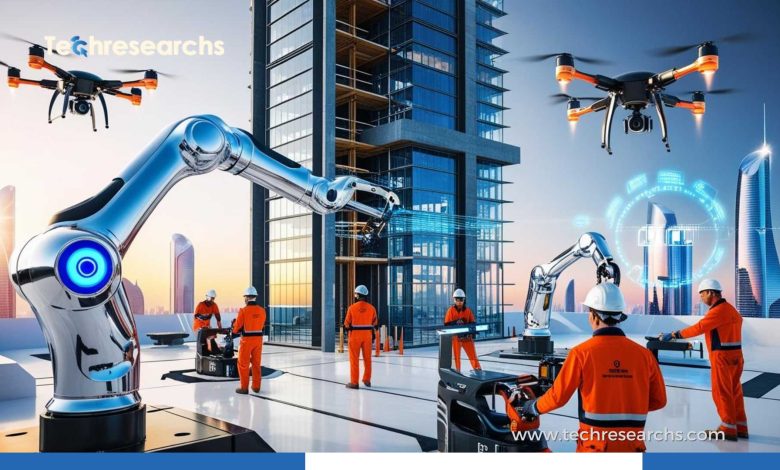
Automation is bringing together software, artificial intelligence, robotics, drones, sensors, BIM, and connected equipment to reduce repetitive work and give construction teams better information. The goal isn’t to remove people from construction. It’s to help skilled professionals spend less time on routine tasks and more time making important decisions.
What Are Construction Automation Tools?
Construction automation tools are technologies that automate, simplify, or improve tasks throughout a construction project.
Some are software-based, while others are physical machines or connected devices. Depending on the project, automation can be used for planning, design, surveying, scheduling, equipment management, safety, quality control, and progress tracking.
Common examples include:
- AI-powered project management software
- Building Information Modeling (BIM)
- Construction robots
- Automated surveying equipment
- Drones
- IoT sensors
- Computer vision systems
- GPS-guided machinery
- Digital twins
- Automated reporting platforms
Rather than thinking of automation as one single technology, it is better to see it as a collection of tools that can work together.
Why Is Construction Moving Toward Automation?
A construction project can change from one day to the next. Weather, material deliveries, labor availability, design changes, equipment problems, and unexpected site conditions can all affect progress.
Managing these changes manually can consume a huge amount of time.
Automation gives teams a way to collect information faster and respond to changes earlier. For example, connected equipment can provide operating data, drones can capture updated site images, and project software can automatically organize progress information.
Modern construction technology is increasingly focused on connecting these different sources of information instead of keeping them in separate systems.
1. AI Can Take Some of the Pressure Off Project Teams
Artificial intelligence is becoming useful in areas where construction teams deal with large amounts of information.
AI tools can help analyze schedules, identify potential project risks, organize documents, monitor progress, and spot patterns that may otherwise be overlooked.
Imagine a project manager reviewing hundreds of tasks every week. An AI-powered system can help highlight activities that are falling behind or areas where a delay could affect upcoming work.
The final decision still belongs to the project team, but having useful information presented earlier can make decision-making much easier.
2. BIM Helps Everyone Work from the Same Picture
Building Information Modeling, commonly known as BIM, has become an important part of digital construction.
Instead of relying only on traditional two-dimensional drawings, BIM creates a detailed digital model containing information about the building and its components.
Architects, engineers, contractors, and other teams can use the model to coordinate their work and identify potential conflicts before they become expensive problems on-site.
When BIM is connected with other technologies, it can become even more useful. Drone data, sensors, construction schedules, and site information can be compared against the digital model to create a clearer picture of what is actually happening on the project.
3. Drones Make Site Monitoring Easier
Walking across a large construction site to inspect every area can take considerable time.
Drones offer another option.
A drone can capture aerial photographs and video while covering large areas quickly. The collected information can then be used for surveying, progress documentation, measurements, inspections, and site analysis.
Instead of waiting for a periodic manual report, project teams can capture updated visual information more frequently.
This can be particularly useful for large infrastructure projects, where manually inspecting every section of a site may be difficult.
4. Robots Are Taking on Repetitive Tasks
Construction robots are no longer limited to research laboratories.
Robotic systems are being developed and deployed for specific tasks such as bricklaying, drilling, demolition, material handling, and other repetitive activities.
The biggest advantage isn’t simply speed. Robots can perform certain repetitive movements consistently, while workers can focus on supervision, problem-solving, finishing work, and tasks that require judgment.
Recent developments in robotic bricklaying show how specialized machines can already perform substantial amounts of repetitive construction work under human supervision.
5. Smart Equipment Can Improve Productivity
Construction equipment is also becoming more connected.
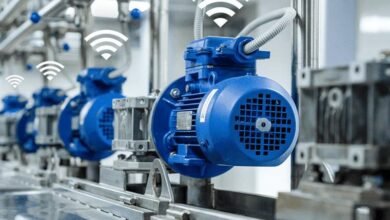
Modern machinery can use GPS, sensors, cameras, and telematics to provide information about location, operating conditions, fuel consumption, utilization, and maintenance.
This information can help companies understand whether equipment is being used efficiently.
For example, if a machine spends too much time sitting idle, managers can investigate why. If equipment shows signs of a potential maintenance problem, action can potentially be taken before the issue becomes a major breakdown.
That means automation can help with equipment management as well as construction itself.
6. Automated Safety Monitoring Can Support Workers
Construction safety cannot be left entirely to software, but technology can provide another layer of protection.
Computer vision systems can analyze images or video from construction sites and identify certain potential safety issues. Depending on the system, this may include detecting restricted-area access, unsafe conditions, or missing protective equipment.
Sensors can also monitor environmental or equipment conditions and generate alerts when unusual activity occurs.
The important point is that these systems should support safety professionals and workers rather than replace them.
Human judgment remains essential when dealing with complicated and unpredictable site conditions.
7. Automation Can Reduce Rework
Rework is frustrating because the original task has already consumed time, labor, and materials.
A small mistake early in a project can sometimes create much larger problems later.
Digital models, automated measurements, progress monitoring, and improved communication can help identify discrepancies earlier.
For example, comparing current site conditions with a BIM model can help teams notice differences between what was designed and what has actually been built.
Finding a problem while work is still underway is usually much easier than discovering it after several additional stages have been completed.
8. Digital Twins Bring Project Information Together
A digital twin can provide a digital representation of a physical asset or project and connect it with information from the real world.
In construction, this can involve combining BIM data with information from sensors, site imagery, equipment, and other sources.
The result can give teams a more dynamic view of the project.
Instead of looking at a static model, they can work with information that reflects changing site conditions.
This approach is becoming increasingly relevant as construction companies look for connected workflows involving BIM, IoT, AI, drones, and robotics.
The Human Side of Construction Automation
One common concern about automation is that machines will eventually replace construction workers.
The reality is more complicated.
Construction sites are unpredictable environments. A machine may be excellent at performing a repetitive task, but experienced workers are still needed to deal with unexpected conditions, coordinate different trades, solve problems, and make practical decisions.
Research into human-robot construction workflows also highlights the value of combining robotic precision with human adaptability.
The future is therefore more likely to involve people working alongside automated systems rather than completely removing people from the process.
What Are the Challenges?
Automation offers significant advantages, but adopting it isn’t always simple.
Cost
Some advanced equipment and software require a substantial initial investment. Companies need to determine whether the expected productivity or efficiency gains justify the cost.
Training
New technology is only useful when employees know how to use it. Workers may need training in software, robotics, data interpretation, equipment operation, or digital workflows.
Integration
A company may use several systems at once. If those systems don’t communicate properly, employees may still have to move information manually from one platform to another.
Site Conditions
Construction sites are constantly changing. Dust, weather, uneven terrain, temporary structures, moving equipment, and changing layouts can make automation more difficult than it is in a controlled factory.
Change Management
Technology adoption also involves people. Teams need to understand why a new system is being introduced and how it will make their work easier or safer.
Studies examining construction automation adoption in India have identified financial, technological, organizational, environmental, and regulatory factors as important barriers.
How Companies Can Start Using Automation
Construction companies don’t need to automate an entire operation overnight.
A better approach is to start with one clear problem.
For example:
Problem: Progress reports take too long.
Possible solution: Use automated site photography and progress-monitoring software.
Or:
Problem: Equipment downtime is difficult to predict.
Possible solution: Introduce connected equipment monitoring and predictive maintenance.
Or:
Problem: Design conflicts are discovered too late.
Possible solution: Improve BIM coordination before construction begins.
Starting small allows companies to measure results before making larger investments.
What Does the Future Look Like?
Construction automation is moving toward greater connectivity.
AI may help analyze project information. Drones may provide regular site updates. Sensors can monitor equipment and environmental conditions. BIM can provide the digital foundation, while robotics can handle selected physical tasks.
The real opportunity comes when these technologies work together.
Instead of having separate tools for separate jobs, construction companies can gradually build connected digital workflows that allow information to move from planning to construction and eventually into building operations.
At the same time, skilled workers will remain central to the process. Technology can handle certain repetitive activities, but construction still depends on experience, creativity, judgment, communication, and practical problem-solving.
Final Thoughts
Construction automation tools are changing the way modern projects are planned, built, and monitored.
The biggest benefit isn’t simply making machines work faster. It is giving construction teams better information, reducing repetitive work, improving consistency, identifying problems earlier, and creating safer working conditions.
Companies that approach automation thoughtfully can use technology to build a more efficient operation without losing the human expertise that makes construction possible.
The future of construction isn’t simply about machines building everything themselves. It’s about people and technology working together to build better, faster, and safer.
Frequently Asked Questions
1. How do construction automation tools improve productivity?
They automate repetitive tasks, simplify project tracking, improve communication, and provide real-time information, helping teams complete work more efficiently.
2. Can automation make construction sites safer?
Yes. AI monitoring, connected sensors, drones, and automated equipment can help identify potential hazards and reduce the need for workers to perform certain risky or repetitive tasks.
3. Are construction automation tools suitable for small companies?
Yes. Small companies can start with affordable solutions such as digital project management, automated reporting, cloud collaboration, or equipment-monitoring tools before investing in advanced robotics.
4. Will construction automation replace human workers?
Automation is more likely to support workers than replace them completely. Machines can handle repetitive activities, while people remain essential for decision-making, supervision, problem-solving, and skilled construction work.