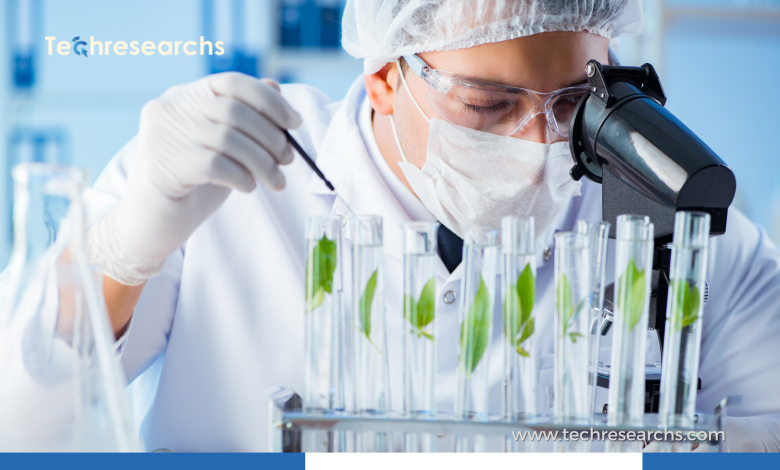
Biotechnology is transforming the way we understand health, agriculture, food, energy, and the environment. By combining biology with advanced technologies such as genetic engineering, synthetic biology, bioinformatics, and cell-based technologies, researchers are developing solutions to some of the world’s most difficult challenges.
From precision medicine to sustainable farming and lab-grown materials, biotechnology is moving beyond traditional laboratory research and becoming an important part of everyday life.
1. Personalized Medicine
One of the most promising applications of biotechnology is personalized medicine. Instead of using the same treatment approach for every patient, researchers can analyze an individual’s genetic information to understand how their body may respond to particular medicines.
Genomic sequencing and molecular diagnostics can help doctors identify disease-related genetic variations and select treatments that are better suited to individual patients. This approach is particularly important in cancer care, where genetic information can help identify specific mutations and guide treatment decisions.
2. Gene Editing and Genetic Therapies
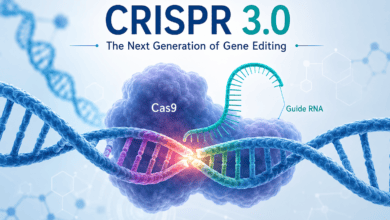
Gene-editing technologies such as CRISPR have opened new possibilities for treating genetic disorders. Scientists can potentially modify specific DNA sequences associated with disease, creating opportunities for therapies that address the underlying cause rather than only managing symptoms.
Gene therapies are being investigated and used for several inherited and acquired conditions. As research advances, more precise and safer approaches could expand the role of genetic medicine.
3. Biotechnology in Agriculture
Agriculture is another field being transformed by biotechnology. Scientists are developing crops with characteristics such as improved nutritional value, resistance to pests and diseases, and greater tolerance to environmental stress.
Biotechnology can also support the development of crops that perform better under drought or poor soil conditions. These innovations could help farmers maintain productivity while reducing resource consumption.
4. Sustainable Food Production
Biotechnology is changing how food can be produced. Precision fermentation, for example, uses microorganisms to produce specific proteins and other useful ingredients without relying entirely on traditional animal agriculture.
Cultivated meat is another emerging area. Researchers grow animal cells in controlled environments rather than raising and slaughtering an entire animal. Although the technology is still developing, it could eventually contribute to alternative food-production systems.
5. Environmental Biotechnology
Biotechnology can also help address environmental problems. Microorganisms can be used in processes designed to break down pollutants, treat wastewater, and support the cleanup of contaminated environments.
This area, often called bioremediation, uses biological systems to help remove or transform harmful substances. Researchers are also exploring engineered microorganisms and biological processes for applications involving plastics, industrial waste, and carbon management.
6. Biofuels and Renewable Energy
Biotechnology is contributing to the development of renewable energy sources. Microalgae, engineered microorganisms, and biomass can be used to investigate alternatives to fossil-fuel-based energy.
Advanced biofuels aim to convert biological materials into usable fuels while potentially reducing dependence on petroleum. Biotechnology may also improve the efficiency of biological systems used in energy production.
7. Synthetic Biology
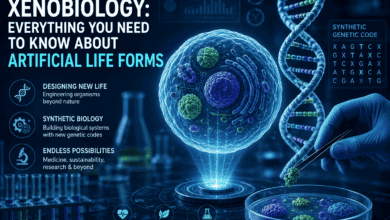
Synthetic biology combines biological science with engineering principles to design or modify biological systems for specific purposes.
Researchers can engineer microorganisms to produce medicines, chemicals, materials, and other useful compounds. This could make certain manufacturing processes more efficient and create products that are difficult or expensive to produce using conventional methods.
8. Biomanufacturing
Biotechnology is changing industrial manufacturing by allowing biological organisms or cells to act as production systems.
Engineered cells can produce enzymes, therapeutic proteins, specialty chemicals, and biomaterials. Compared with some traditional manufacturing methods, biological production can offer opportunities for greater selectivity and potentially lower environmental impact.
9. Bioprinting and Regenerative Medicine
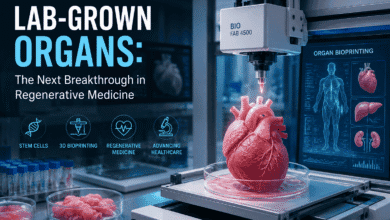
3D bioprinting is an emerging biotechnology that combines 3D printing with living cells and biomaterials. Researchers are investigating how printed biological structures could support tissue engineering and regenerative medicine.
The long-term goal is to develop functional tissues that could help repair damaged organs or body parts. Although fully functional printed organs remain a major research challenge, progress in tissue engineering continues to expand the possibilities.
10. Biotechnology for Drug Discovery
Developing a new medicine can take many years and requires extensive research. Biotechnology is helping scientists identify biological targets, understand disease mechanisms, and evaluate potential treatments.
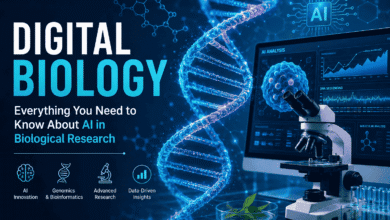
Artificial intelligence, genomic databases, molecular biology, and high-throughput screening can work together to accelerate parts of the drug-discovery process. This combination may help researchers identify promising therapeutic candidates more efficiently.
11. Biotechnology and the Circular Economy
Biotechnology can contribute to a more circular economy by converting biological or industrial waste into useful products.
Researchers are exploring biological methods for producing biodegradable materials, recovering valuable compounds, and converting waste streams into fuels or chemicals. These approaches could reduce reliance on finite resources and improve the efficiency of production systems.
12. The Future of Biotechnology
The future of biotechnology will likely involve greater integration between biology, artificial intelligence, robotics, computing, and advanced manufacturing.
Technologies such as CRISPR, synthetic biology, precision fermentation, genomic analysis, and bioprinting are still evolving. Their continued development could create new opportunities in healthcare, agriculture, manufacturing, and environmental protection.
However, biotechnology also raises important questions about safety, ethics, data privacy, environmental impact, and responsible use. Scientific progress must therefore be accompanied by strong research standards, regulation, transparency, and public discussion.
Conclusion
Biotechnology is no longer limited to traditional laboratories. It is becoming a powerful technology platform with applications across healthcare, agriculture, food production, energy, manufacturing, and environmental sustainability.
From editing genes and developing personalized treatments to creating sustainable materials and improving food production, biotechnology has the potential to reshape many aspects of modern society. As research continues, responsible innovation will be essential to ensure that these technologies deliver meaningful benefits while managing their potential risks.
Frequently Asked Questions
What are the most revolutionary uses of biotechnology?
The most revolutionary uses of biotechnology include personalized medicine, gene editing, synthetic biology, bioprinting, sustainable agriculture, precision fermentation, biofuels, and environmental bioremediation.
How is biotechnology changing healthcare?
Biotechnology is changing healthcare through personalized medicine, gene therapies, advanced diagnostics, vaccine development, and regenerative medicine. These technologies help researchers develop more targeted treatments and better understand diseases.
How is biotechnology helping agriculture and food production?
Biotechnology helps agriculture by supporting crops with improved nutritional characteristics, pest and disease resistance, and tolerance to environmental stresses such as drought. It also enables alternative food-production methods such as precision fermentation.
What is the future of biotechnology?
The future of biotechnology will increasingly combine genomics, artificial intelligence, robotics, and advanced manufacturing to create new solutions for healthcare, agriculture, food production, environmental protection, and sustainable manufacturing.