Biotechnology for a Better Tomorrow: Sustainable Innovations in Medicine

Biotechnology is transforming medicine by combining biology, advanced technology, and data-driven research to create more effective and sustainable healthcare solutions. From precision medicine and gene therapies to biomanufacturing and AI-assisted drug discovery, modern biotechnology is helping researchers address complex health challenges while reducing waste and improving resource efficiency.
As healthcare systems face rising costs, chronic diseases, aging populations, and environmental pressures, sustainable biotechnology in medicine is becoming increasingly important. The goal is not simply to develop new treatments, but to create healthcare solutions that are effective, scalable, affordable, and environmentally responsible.
What Is Sustainable Biotechnology in Medicine?
Sustainable biotechnology applies biological processes and modern technologies to healthcare while considering long-term environmental, economic, and social impacts.
Traditional pharmaceutical development can require substantial energy, water, raw materials, and complex manufacturing processes. Biotechnology can introduce alternatives that use biological systems more efficiently.
Examples include:
- Biologically produced medicines and vaccines
- Precision medicine based on individual patient characteristics
- Gene and cell therapies
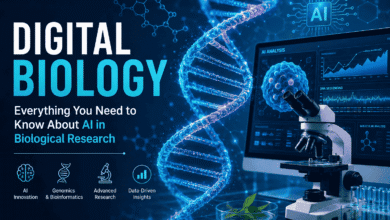
- AI-supported drug discovery
- Microbial and cell-based manufacturing
- Biodegradable medical materials
- Low-waste laboratory and manufacturing processes
- Digital technologies that reduce unnecessary medical procedures
The combination of these approaches can help make healthcare more resilient and resource-efficient.
1. Precision Medicine and Personalized Treatment
One of biotechnology’s most important contributions is precision medicine.
Instead of applying the same treatment to every patient, precision medicine uses information such as genetics, molecular profiles, biomarkers, and clinical history to identify treatments that may work best for specific individuals.
This approach can potentially:
- Improve treatment selection
- Reduce unnecessary medication
- Minimize adverse reactions
- Support earlier disease detection
- Improve clinical decision-making
- Reduce healthcare waste
Advances in genomics and molecular diagnostics are making personalized healthcare increasingly practical.
2. Gene Therapy: Treating Disease at Its Source
Gene therapy aims to address disease by modifying, replacing, or regulating genetic material.
Modern gene-based approaches are being investigated and used for certain inherited disorders, cancers, and other serious diseases. Technologies such as viral vectors and genome-editing systems have expanded the possibilities for targeted treatments.
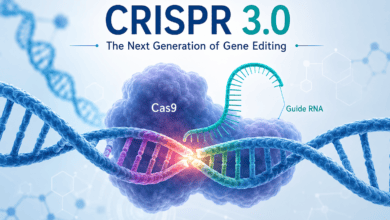
CRISPR-based technologies are particularly significant because they provide researchers with increasingly precise tools for modifying DNA.
However, challenges remain around delivery, safety, long-term effects, manufacturing, and affordability. Responsible development and rigorous clinical evaluation will be essential as these technologies advance.
3. Cell Therapy and Regenerative Medicine
Cell-based therapies represent another major area of biotechnology.
Researchers are exploring how living cells can be used to repair damaged tissues, replace dysfunctional cells, or strengthen the body’s ability to fight disease.
Applications include:
- Cancer immunotherapy
- Stem-cell-based treatments
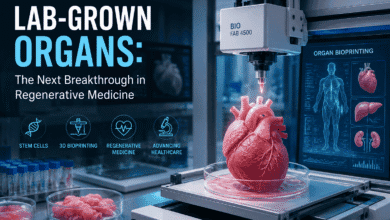
- Tissue regeneration
- Organ repair research
- Personalized cellular therapies
Regenerative medicine could eventually reduce dependence on some conventional treatments and provide new options for conditions that are difficult to manage today.
4. Biotechnology Is Making Drug Discovery More Efficient
Developing a new medicine traditionally requires years of research, testing, and clinical evaluation. Biotechnology combined with artificial intelligence and advanced computational methods is helping researchers analyze biological information more efficiently.
AI can assist with:
- Identifying potential drug targets
- Predicting molecular interactions
- Screening drug candidates
- Analyzing biological datasets
- Designing proteins and other molecules
- Supporting clinical-trial planning
These technologies do not eliminate the need for laboratory research or clinical trials, but they can help researchers prioritize promising candidates and potentially reduce inefficient experimentation.
5. Sustainable Biomanufacturing
Medicine requires complex manufacturing systems for producing drugs, vaccines, enzymes, therapeutic proteins, and other biological products.
Biomanufacturing uses living cells, microorganisms, enzymes, or biological systems to produce valuable materials.
Compared with some conventional chemical processes, biological production can offer opportunities for:
- Lower-temperature manufacturing
- Renewable feedstocks
- Reduced chemical waste
- More efficient production
- Improved process selectivity
The environmental benefits depend on the complete manufacturing system, including energy sources, raw materials, purification, transportation, and waste management. Therefore, sustainability should be evaluated across the entire product lifecycle.
6. Biotechnology and Vaccine Innovation
The COVID-19 pandemic demonstrated the importance of biotechnology in responding rapidly to emerging infectious diseases.
Platforms such as mRNA technology have expanded possibilities for vaccine development and infectious-disease research.
Future biotechnology platforms could support faster responses to emerging pathogens by making it easier to design, test, manufacture, and adapt vaccines.
This could strengthen global preparedness for future outbreaks.
7. Biodegradable and Bio-Based Medical Materials
Biotechnology can also contribute to more sustainable medical materials.
Researchers are developing bio-based materials for applications such as:
- Drug delivery
- Tissue engineering
- Wound care
- Medical implants
- Diagnostic devices
- Packaging
Biodegradable materials may help reduce persistent waste in selected applications. However, medical safety, sterilization, durability, performance, and disposal requirements must always be considered before environmental benefits.
8. Digital Health and Biotechnology Working Together
The convergence of biotechnology, artificial intelligence, cloud computing, and digital health is creating a more connected healthcare ecosystem.
Wearable devices, genomic platforms, electronic health records, medical imaging, and laboratory systems can generate enormous amounts of data.
Advanced analytics can help researchers and healthcare professionals identify patterns that may support:
- Earlier diagnosis
- Disease monitoring
- Personalized treatment
- Clinical research
- Drug development
- Population health management
Strong privacy, cybersecurity, data governance, and ethical standards are essential as biological and healthcare data become increasingly valuable.
9. Reducing Healthcare’s Environmental Footprint
Healthcare provides enormous social benefits, but it also has an environmental footprint.
Sustainable biotechnology can contribute by exploring ways to reduce:
- Manufacturing waste
- Energy consumption
- Water use
- Raw-material requirements
- Unnecessary testing
- Pharmaceutical waste
For example, precision medicine may help reduce ineffective treatments, while optimized biomanufacturing could improve resource efficiency.
The objective should not be to prioritize environmental benefits over patient safety. Instead, sustainability should become part of responsible healthcare innovation.
10. Major Challenges Ahead
Despite its potential, sustainable medical biotechnology faces significant challenges.
High Development Costs
Advanced therapies can require expensive research, specialized facilities, and complex manufacturing infrastructure.
Regulatory Complexity
Gene therapies, cell therapies, engineered biological products, and AI-assisted medical technologies require careful evaluation to establish safety and effectiveness.
Accessibility
Breakthrough treatments are valuable only when patients can access them. High prices and limited manufacturing capacity can create inequalities.
Ethical Considerations
Genome editing, genetic testing, AI decision-making, and biological data collection raise important ethical questions concerning consent, privacy, fairness, and responsible use.
Manufacturing Scalability
A treatment that works successfully in a laboratory must still be produced consistently and safely at commercial scale.
Environmental Trade-Offs
Biotechnology is not automatically sustainable. Energy-intensive facilities, single-use plastics, cold-chain transportation, and resource-intensive purification can still create environmental impacts.
The Future of Sustainable Medical Biotechnology
The future will likely involve greater convergence between biotechnology, artificial intelligence, robotics, genomics, advanced manufacturing, and data science.
Emerging areas to watch include:
- AI-designed therapeutic molecules
- Next-generation gene editing
- Personalized cancer vaccines
- Engineered cell therapies
- Lab-grown tissues
- Precision diagnostics
- Sustainable biomanufacturing
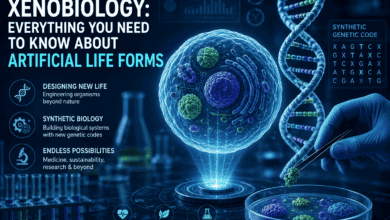
- Synthetic biology for healthcare
- Digital biomarkers
- AI-assisted clinical research
As these technologies mature, collaboration between scientists, healthcare organizations, regulators, technology companies, and policymakers will become increasingly important.
Conclusion
Biotechnology for a better tomorrow is more than a vision of advanced medical treatments. It represents an opportunity to build healthcare systems that are innovative, precise, resilient, and more sustainable.
From gene therapy and regenerative medicine to biomanufacturing and AI-assisted drug discovery, biotechnology is opening new possibilities for preventing, diagnosing, and treating disease.
The next stage of progress will depend on balancing scientific innovation with affordability, patient safety, ethical responsibility, and environmental sustainability. When these priorities develop together, biotechnology can play a major role in creating a healthier and more sustainable future.
Frequently Asked Questions
1. What is sustainable biotechnology in medicine?
Sustainable biotechnology in medicine combines biological innovation with practices designed to improve healthcare outcomes while reducing resource consumption, waste, and environmental impact.
2. How does biotechnology improve healthcare?
It supports innovations such as precision medicine, gene therapy, vaccines, regenerative medicine, biological drug production, and advanced diagnostics.
3. Is biotechnology environmentally friendly?
Biotechnology can provide more sustainable alternatives, but it is not automatically environmentally friendly. Energy use, materials, manufacturing, transportation, and waste must all be considered.
4. How does gene therapy contribute to modern medicine?
Gene therapy can target the underlying genetic causes or mechanisms of certain diseases rather than treating only their symptoms.