Biotechnology in Cosmetics: Merging Nature and Science for Better Skincare

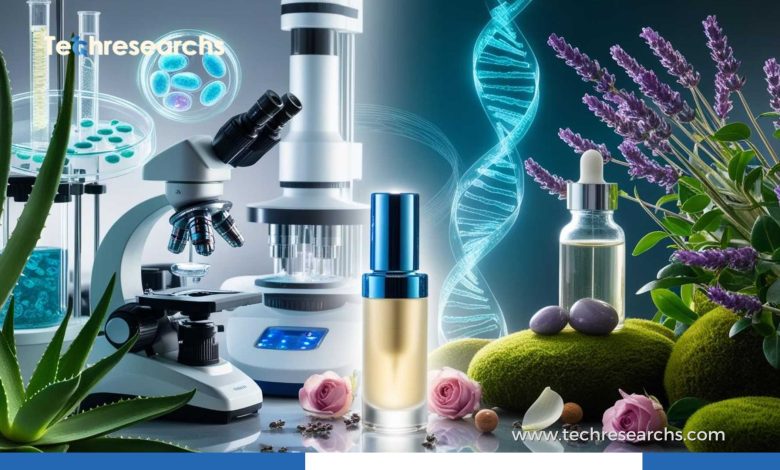
The beauty industry has always looked to nature for skincare inspiration. From aloe vera and botanical oils to plant-based antioxidants, natural ingredients have played a major role in cosmetics for generations. But today, something interesting is happening: science and nature are coming together in ways that were difficult to imagine a few decades ago.
Biotechnology in cosmetics is helping brands discover, develop, and produce skincare ingredients using biological processes. The goal isn’t simply to make products more advanced. It is also about finding smarter ways to create effective ingredients while addressing concerns such as sustainability, consistency, and responsible sourcing.
What Is Biotechnology in Cosmetics?
In simple terms, biotechnology uses living organisms, biological processes, or biological materials to create useful products.
In cosmetics, this can involve techniques such as fermentation, enzyme technology, cell-based research, and bioengineering. These methods can be used to develop ingredients such as peptides, antioxidants, moisturizing compounds, and other functional substances used in skincare formulations.
What makes this interesting is that biotechnology can take inspiration from nature while using controlled scientific processes to produce an ingredient.
Why Is Biotechnology Becoming Important in Skincare?
Consumers are becoming more interested in what goes into their skincare products and how those ingredients are produced. At the same time, cosmetic companies are looking for ways to develop innovative products without placing unnecessary pressure on natural resources.
This is where biotechnology can make a difference.
Instead of always extracting large quantities of an ingredient from plants or other natural sources, researchers may be able to produce certain compounds through controlled biological processes.
This can provide manufacturers with a more predictable source of ingredients while opening the door to new cosmetic innovations.
Fermentation: One of the Most Familiar Examples
Fermentation may sound more like something associated with food, but it has an important place in cosmetic science too.
During fermentation, microorganisms transform raw materials into other compounds. Cosmetic researchers can use this process to develop or improve certain ingredients used for hydration, skin conditioning, exfoliation, and other purposes.
Fermentation can also make ingredient production more controlled and consistent. This is one reason fermented ingredients have become increasingly visible in modern skincare.
Biotechnology and Peptides
Peptides are another area where biotechnology has made a significant contribution.
Peptides are short chains of amino acids that can have different biological functions. In skincare, certain peptides are used in formulations designed to support the appearance and condition of the skin.
Biotechnology allows researchers to produce specific peptides under controlled conditions. This can help manufacturers achieve greater consistency while giving formulators access to ingredients with particular properties.
Of course, the presence of a peptide does not automatically make a product effective. The formulation, concentration, stability, and available scientific evidence all matter.
A More Sustainable Approach to Ingredients
Sustainability is becoming an important part of the cosmetics conversation.
Traditional sourcing of some natural ingredients can require large amounts of land, water, or raw materials. In certain cases, excessive harvesting can also put pressure on ecosystems.
Biotechnology offers another possible route. If a useful compound can be produced through fermentation or another controlled biological process, manufacturers may be able to reduce their dependence on harvesting the original natural source.
That doesn’t mean biotechnology is automatically sustainable. Energy consumption, water use, waste, transportation, and manufacturing methods still need to be considered. Sustainability has to be evaluated across the entire production process.
Nature Still Has an Important Role
It would be wrong to think that biotechnology means moving away from nature.
In many cases, nature is where the original idea begins.
Researchers may discover an interesting compound in a plant, microorganism, or other biological source. They can then study its properties and explore ways to reproduce or develop it using biotechnology.
This creates an interesting relationship between the natural world and modern science. Nature provides inspiration, while biotechnology provides tools for controlled research and production.
Biotechnology and the Skin Microbiome
Another exciting area of research is the skin microbiome.
Our skin supports a diverse community of microorganisms. Scientists are studying how these microorganisms interact with the skin and how changes in the skin’s microbial environment may relate to different skin conditions.
Cosmetic companies are increasingly interested in formulations designed to support the skin’s natural microbial environment. Biotechnology may help researchers develop ingredients that interact with this ecosystem in more targeted ways.
However, this is still an evolving area of science. Consumers should be cautious about products making broad microbiome claims without strong supporting evidence.
Could Biotechnology Lead to More Personalized Skincare?
Personalized skincare is another area where biotechnology could have an impact.
Everyone’s skin is different. Age, environment, lifestyle, genetics, and other factors can influence how skin behaves. As research into skin biology becomes more sophisticated, cosmetic companies may eventually be able to create increasingly targeted products.
Future skincare could potentially combine biological data, advanced testing, and biotechnology to create formulas designed around particular skin characteristics.
We’re not at the point where every skincare product needs to be individually engineered, but the direction is certainly interesting.
Are Biotech Ingredients Better Than Natural Ingredients?
This is an important question, and the answer isn’t simply yes or no.
“Biotechnology-derived” and “natural” describe different things. An ingredient produced through biotechnology isn’t automatically better, safer, or more effective than a traditionally sourced ingredient.
What really matters is the quality of the ingredient and the finished formulation.
Consumers should look at factors such as:
- What the ingredient actually does
- Whether there is credible scientific evidence
- How much of the ingredient is used
- Whether the formula is stable
- Whether the product is suitable for their skin
- How the product is manufactured
A sophisticated ingredient is only useful when it is used properly in a well-designed formulation.
Challenges in the Biotech Beauty Industry
Biotechnology also comes with its own challenges.
Developing new cosmetic ingredients can take considerable research, testing, time, and investment. Companies must also consider safety requirements and applicable cosmetic regulations before bringing new ingredients and products to consumers.
Another challenge is communication.
Words such as “bioengineered,” “fermented,” and “biotech” can sound complicated to shoppers. Brands need to explain what these terms actually mean instead of relying on technical language as a marketing shortcut.
Transparency will become increasingly important as biotech-based cosmetics become more common.
What Could the Future of Biotech Skincare Look Like?
The future of cosmetics may not be about choosing between natural products and laboratory science. Instead, the industry could increasingly combine the strengths of both.
We may see more fermentation-based ingredients, advanced peptides, biotechnology-derived antioxidants, microbiome-focused formulations, and new approaches to sustainable ingredient production.
At the same time, consumers are likely to become more knowledgeable about where ingredients come from and whether the claims made about them are actually supported by evidence.
Final Thoughts
Biotechnology is giving the cosmetics industry new ways to explore the relationship between nature, science, and skincare.
From fermented ingredients and peptides to microbiome research and sustainable production methods, biotechnology is influencing how modern cosmetic ingredients are discovered and manufactured.
But the real value isn’t in simply putting the word “biotechnology” on a product label. The important question is whether the technology produces a safe, useful, well-formulated, and scientifically supported ingredient.
As research continues, the most promising future for skincare may be one where natural inspiration and modern biotechnology work together rather than compete with each other.
Frequently Asked Questions
What is biotechnology in cosmetics?
Biotechnology in cosmetics uses biological processes, microorganisms, enzymes, and other scientific techniques to develop skincare and cosmetic ingredients.
Are biotechnology-based skincare ingredients safe?
Biotechnology-derived ingredients can be safe when they are properly tested, formulated, and used according to applicable cosmetic safety requirements.
Can biotechnology make cosmetics more sustainable?
Yes. Biotechnology can provide alternative ways to produce certain ingredients, potentially reducing pressure on natural resources. However, overall sustainability depends on the complete production process.
What are examples of biotechnology-derived cosmetic ingredients?
Examples include certain peptides, fermented ingredients, enzymes, antioxidants, and other bio-based compounds produced through controlled biological processes.