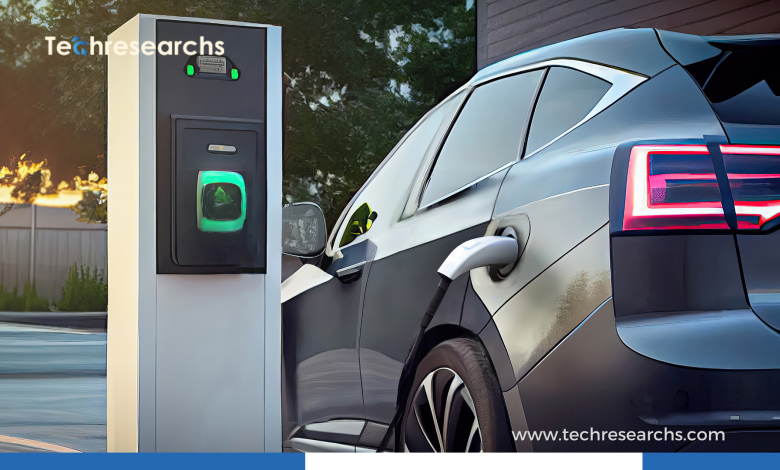
Electric vehicles (EVs) have moved from a niche technology to a major part of the global automotive industry. Governments, automakers, and consumers are increasingly interested in EVs because they can reduce tailpipe emissions, improve energy efficiency, and support the transition toward cleaner transportation.
However, EVs are also surrounded by myths. Questions about battery life, charging, environmental impact, driving range, cost, and safety often make people hesitant to switch from conventional gasoline or diesel vehicles.
Let’s separate the common myths from the facts.
What Is an Electric Vehicle?
An electric vehicle uses one or more electric motors powered by electricity stored in a rechargeable battery. Unlike conventional vehicles that rely primarily on internal-combustion engines, battery-electric vehicles do not produce tailpipe exhaust while driving.
EVs generally include:
- Battery pack
- Electric motor
- Power electronics
- Charging system
- Regenerative braking system
- Thermal management system
Hybrid and plug-in hybrid vehicles are different from fully battery-electric vehicles because they combine an electric powertrain with an internal-combustion engine.
Myth 1: Electric Vehicles Have Very Short Driving Ranges
One of the most common concerns is that EVs cannot travel far enough on a single charge.
The Truth
Modern EVs offer substantially better driving ranges than many early electric cars. Actual range varies depending on the vehicle, battery size, driving speed, temperature, road conditions, terrain, and use of heating or air conditioning.
For everyday commuting, many EVs can provide enough range for several days of typical driving before requiring a recharge.
Long-distance travel requires more planning, but expanding fast-charging infrastructure is making EV road trips increasingly practical.
Myth 2: EV Batteries Need to Be Replaced Frequently
Some people believe EV batteries need to be replaced every few years, making electric cars expensive to maintain.
The Truth
EV batteries are designed for long-term use. Battery-management systems monitor factors such as temperature, charging, and battery condition to help protect battery health.
Like all batteries, EV batteries gradually lose some capacity over time. However, gradual degradation is different from sudden battery failure.
Battery warranties offered by manufacturers also commonly provide coverage for a substantial period or mileage, although terms vary by manufacturer and market.
Myth 3: Electric Vehicles Are Worse for the Environment
A common argument is that EVs are not environmentally friendly because battery manufacturing requires energy and raw materials.
The Truth
EV production does have environmental impacts, particularly from battery manufacturing and mineral extraction. An EV is therefore not completely impact-free.
However, environmental impact should be evaluated across the vehicle’s entire lifecycle rather than only during manufacturing. EVs have no tailpipe emissions during operation, and their overall emissions can be lower than those of conventional vehicles, particularly when the electricity used for charging comes increasingly from low-carbon sources.
The environmental advantage varies by electricity mix, vehicle efficiency, battery size, manufacturing methods, and driving patterns.
Myth 4: Charging an EV Takes All Day
Many people assume EV charging is inconvenient because a battery can take hours to fully recharge.
The Truth
Charging speed depends on the charger, vehicle, battery condition, temperature, and charging level.
Home charging is generally convenient because the vehicle can charge while parked. Public DC fast chargers can provide a significant amount of additional range in a relatively short period, although charging from a low state of charge to 100% is not always necessary or the fastest approach.
For most drivers, charging can become part of an existing routine rather than a separate daily task.
Myth 5: EVs Are Too Expensive to Own
The purchase price of some EVs can be higher than comparable gasoline vehicles, which creates the impression that electric cars are always more expensive.
The Truth
Purchase price is only one part of vehicle ownership cost.
EVs can potentially reduce expenses through:
- Lower energy costs
- Fewer engine-related maintenance requirements
- Reduced need for oil and filter changes
- Regenerative braking that can reduce brake wear
However, savings depend on electricity prices, fuel prices, vehicle type, annual mileage, financing, insurance, maintenance costs, and local incentives.
The cheapest option therefore depends on the individual driver and vehicle.
Myth 6: EVs Are Slow and Boring to Drive
Another outdated perception is that electric vehicles sacrifice performance for efficiency.
The Truth
Electric motors can deliver strong torque almost immediately, allowing many EVs to accelerate quickly.
Modern electric vehicles are available in a wide range of configurations, from practical city cars to high-performance models and electric SUVs.
Performance varies significantly by model, but EV technology is no longer limited to slow commuter vehicles.
Myth 7: Electric Vehicles Are Unsafe
Battery fires occasionally receive significant media attention, leading some people to believe EVs are inherently unsafe.
The Truth
EVs undergo safety testing and are equipped with systems designed to monitor and protect high-voltage batteries. Battery packs also incorporate thermal-management and protection systems.
Like gasoline vehicles, EVs can experience fires under certain circumstances. Safety depends on vehicle design, battery engineering, crash protection, manufacturing quality, and proper maintenance.
Consumers should evaluate the safety record and certification of a specific vehicle rather than judging all EVs based on isolated incidents.
Myth 8: EVs Cannot Be Used in Cold or Hot Weather
Extreme temperatures can affect vehicle performance, leading to concerns that EVs cannot operate reliably in challenging climates.
The Truth
Temperature affects battery performance. Very cold or very hot conditions can temporarily reduce efficiency and available range.
Modern EVs use thermal-management systems to control battery temperature. Drivers can also reduce some temperature-related energy consumption through features such as preconditioning while the vehicle is connected to a charger.
EV performance in extreme temperatures is therefore an important consideration, but it does not make electric vehicles unusable.
Myth 9: There Is Nowhere to Charge an EV
Charging infrastructure remains an important concern, particularly for people who live in apartments or regularly travel long distances.
The Truth
Charging networks continue to expand in many markets. EV owners can potentially charge at home, at workplaces, shopping centers, public charging stations, and highway fast-charging locations.
The availability of chargers varies considerably by region, so prospective EV buyers should check local charging infrastructure before purchasing.
Myth 10: EVs Are Only Useful for City Driving
EVs are often associated with short urban trips.
The Truth
Electric vehicles can be used for commuting, family transportation, highway travel, and long-distance journeys. The suitability of an EV depends on its range, charging capability, local infrastructure, and the owner’s driving requirements.
For frequent long-distance travelers, charging speed and highway charging availability may be more important than maximum advertised range.
The Real Benefits of Electric Vehicles
Once the myths are separated from reality, several genuine advantages become clear.
1. Zero Tailpipe Emissions
Battery-electric vehicles produce no tailpipe exhaust during operation.
2. High Energy Efficiency
Electric motors are generally much more efficient at converting stored energy into vehicle movement than internal-combustion engines.
3. Potentially Lower Maintenance
EVs have fewer moving drivetrain components and do not require routine engine oil changes.
4. Quiet Operation
Electric motors generally operate more quietly than internal-combustion engines, particularly at lower speeds.
5. Regenerative Braking
EVs can recover some kinetic energy during deceleration and return it to the battery, improving efficiency and potentially reducing brake wear.
What Should You Consider Before Buying an EV?
An EV is not automatically the right choice for every driver. Before purchasing one, consider:
- Your average daily driving distance
- Availability of home charging
- Public charging options in your area
- Typical electricity and fuel prices
- Vehicle purchase price
- Insurance costs
- Battery warranty
- Expected maintenance expenses
- Highway and long-distance driving requirements
- Local incentives and regulations
The best decision comes from comparing your actual driving habits with the capabilities and total ownership costs of the vehicles you are considering.
The Future of Electric Vehicles
Electric vehicle technology continues to evolve. Battery chemistry, charging technology, vehicle software, energy management, and charging infrastructure are all developing rapidly.
Future improvements could increase driving range, reduce charging times, improve battery durability, and lower manufacturing costs. At the same time, recycling and responsible sourcing of battery materials will remain important parts of the industry’s development.
The transition to electric transportation is not without challenges, but many popular claims about EVs are based on outdated information or misunderstandings.
Conclusion
Electric vehicles are neither a perfect solution nor an impractical technology. They have real advantages and real challenges.
The truth is more nuanced than many EV myths suggest. Battery technology has improved, charging networks are expanding, and electric vehicles can offer strong efficiency and performance. At the same time, factors such as charging access, climate, vehicle cost, and driving habits still matter.
For consumers, the smartest approach is to look beyond headlines and evaluate an EV based on its range, charging needs, total ownership cost, environmental impact, and personal driving requirements.
Frequently Asked Questions
Are electric vehicles really better for the environment?
Electric vehicles produce no tailpipe emissions while driving and can have lower lifecycle greenhouse gas emissions than comparable gasoline vehicles. Their overall environmental impact depends on battery production, electricity sources, vehicle efficiency, and other factors.
How long do electric vehicle batteries last?
Electric vehicle batteries are designed for long-term use and gradually lose capacity over time. Battery lifespan varies depending on battery chemistry, temperature, charging habits, vehicle usage, and manufacturer design.
Are electric vehicles expensive to maintain?
Electric vehicles can have lower routine maintenance costs because they do not require engine oil changes, spark plugs, or many engine-related repairs. However, maintenance and repair costs vary depending on the vehicle model.
Can an electric vehicle be used for long-distance travel?
Yes. Electric vehicles can be used for long-distance travel when their driving range and charging infrastructure meet the needs of the journey. Fast-charging networks can make longer EV trips more convenient.