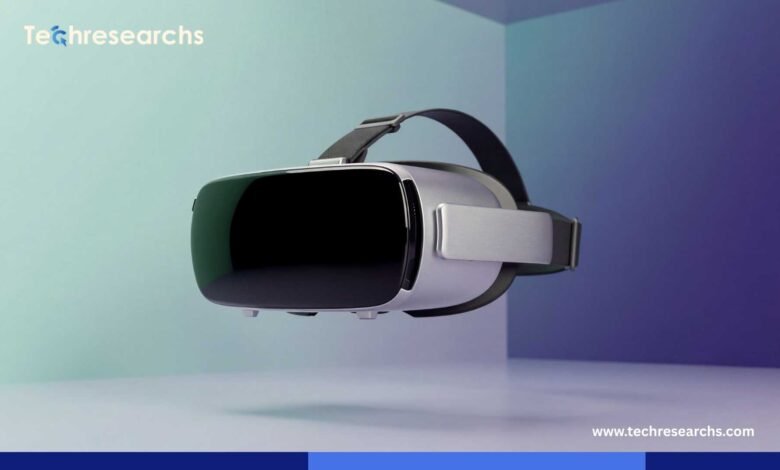
Virtual Reality 2.0 is redefining digital interaction in ways that were not possible a few years ago. While early VR focused mainly on gaming, the latest generation delivers practical solutions across industries.
Today, users experience more realistic environments, smoother controls, and deeper engagement. Because of this shift, VR is no longer just entertainment—it is becoming a core part of modern technology.
In this guide, you will learn what makes Virtual Reality 2.0 unique and why it matters now.
What Defines the Next Generation of VR?
The term Virtual Reality 2.0 describes advanced systems designed for realism and usability. These systems combine powerful hardware with intelligent software to create immersive experiences.
Key characteristics include:
- Natural interaction without complex controllers
- Real-time responsiveness
- Smarter digital environments
- Improved comfort for longer sessions
As a result, users feel more connected and less fatigued.
Key Innovations Driving Modern VR
Advanced Motion and Eye Tracking
New VR systems capture detailed human movement. They track hand gestures, body posture, and even eye direction.
This leads to:
- More accurate in-game actions
- Better communication in virtual spaces
- Efficient rendering performance
Consequently, interactions feel intuitive rather than forced.
High-Definition Visual Experiences
Display quality has improved significantly. Modern headsets offer sharper images and smoother frame rates.
Key upgrades include:
- Ultra-high resolution screens
- Dynamic lighting effects
- Reduced motion blur
Therefore, environments look closer to reality than ever before.
Haptic Feedback and Sensory Input
Touch-based feedback adds a new dimension to VR. Devices now simulate physical sensations through vibrations and pressure.
For example:
- Gloves can mimic object textures
- Controllers simulate resistance
- Wearables enhance realism
Because of this, users engage more deeply with virtual worlds.
How Virtual Reality 2.0 Uses Artificial Intelligence
Artificial intelligence plays a vital role in enhancing VR systems. It allows environments to react intelligently to user actions.
AI-powered improvements include:
- Adaptive virtual environments
- Realistic non-player characters
- Personalized experiences
Thus, each session feels dynamic and unique.
Comparison Table: Traditional VR vs Modern Systems
| Feature | Traditional VR | Modern VR Systems |
|---|---|---|
| Graphics | Standard HD | Ultra HD / 4K+ |
| Tracking | Head movement only | Full-body + eye tracking |
| Interaction | Controller-based | Gesture and touch-based |
| Intelligence | Limited | AI-driven environments |
| Sensory Feedback | Audio-visual | Multi-sensory |
| Usage Scope | Gaming-focused | Multi-industry applications |
Applications Across Industries
Healthcare and Medical Training
VR helps doctors practice procedures in a safe environment. It also supports therapy and rehabilitation.
Benefits include:
- Risk-free surgical simulations
- Mental health treatments
- Faster skill development
As a result, healthcare professionals can improve outcomes.
Education and Skill Development
Students now learn through immersive experiences rather than passive reading.
Examples include:
- Virtual science experiments
- Interactive historical tours
- Hands-on technical training
This approach improves understanding and retention.
Business Collaboration and Remote Work
Companies use VR to create virtual workspaces. These environments feel more engaging than video calls.
Advantages include:
- Real-time team interaction
- Virtual product demonstrations
- Better remote collaboration
Therefore, productivity improves across distributed teams.
Benefits of Virtual Reality 2.0
Virtual Reality 2.0 offers several practical advantages:
- Deeper immersion and engagement
- Better training and learning outcomes
- Enhanced collaboration tools
- Reduced travel and operational costs
In addition, it opens new opportunities for innovation across sectors.
Current Challenges and Limitations
Despite its growth, VR still faces some obstacles:
- High initial investment
- Hardware limitations
- Occasional motion discomfort
- Limited content in some sectors
However, continuous advancements are gradually solving these issues.
Emerging Trends in Virtual Reality 2.0
The future of Virtual Reality 2.0 looks promising. Several trends are shaping its development:
- Lightweight and wireless headsets
- Integration with augmented reality
- Expansion into the metaverse
- Wider enterprise adoption
According to industry insights from trusted sources, immersive technology will play a key role in digital transformation.
Getting Started with Modern VR
If you want to explore this technology, follow these steps:
- Choose a reliable VR headset
- Check system compatibility
- Start with beginner-friendly apps
- Gradually explore advanced tools
This method ensures a smooth and enjoyable experience.
Virtual Reality 2.0 represents a major step forward in immersive technology. It combines advanced visuals, intelligent systems, and natural interaction to create meaningful experiences.
As adoption continues to grow, this technology will reshape how we work, learn, and connect. Now is the perfect time to explore its potential and stay ahead in the digital world.
FAQs About Virtual Reality 2.0
1. What makes Virtual Reality 2.0 different?
A. It offers better graphics, smarter environments, and more natural interaction compared to earlier versions.
2. Is VR only for gaming?
A. No, it is widely used in healthcare, education, and business applications.
3. Does VR require expensive equipment?
A. Some systems are costly, but affordable options are becoming more available.
4. What is the future of VR technology?
A. VR will become more accessible, realistic, and integrated into daily life.