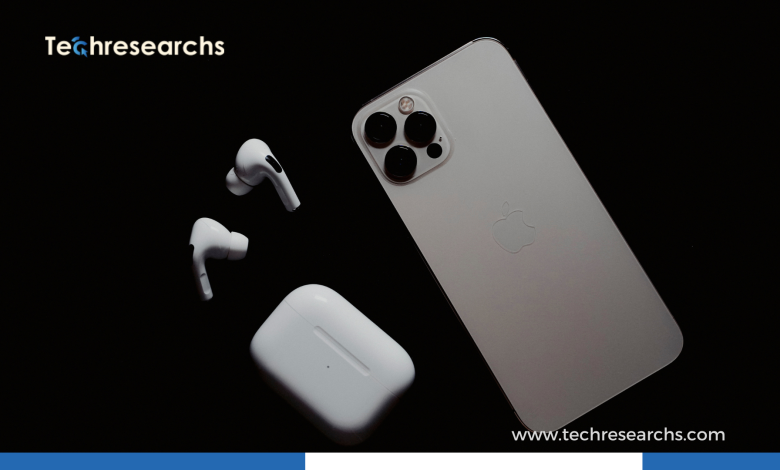
Wireless earbuds have become an essential accessory for smartphones, tablets, laptops, smartwatches, and other connected devices. With hundreds of models available across different price ranges, choosing the right pair can be difficult.
The best wireless earbuds are not necessarily the most expensive. The right choice depends on your device compatibility, sound quality, comfort, battery life, noise cancellation, connectivity, and everyday usage.
Why Device Compatibility Matters
Before buying wireless earbuds, check how well they work with your primary smart device. Features can vary between Android, iPhone, Windows, macOS, and other platforms.
Codec compatibility is particularly important. Bluetooth audio codecs such as AAC, SBC, LDAC, aptX, and LC3 can affect audio quality, latency, and efficiency. The earbuds and source device need compatible codec support to take advantage of a particular codec.
For example:
- iPhone users: Look for strong AAC support and good Apple ecosystem integration.
- Android users: LDAC, aptX Adaptive, or other supported high-quality codecs may be useful depending on the phone.
- Laptop users: Multipoint connectivity can be valuable if you frequently switch between your phone and computer.
- Newer devices: LE Audio and Auracast support can provide access to newer Bluetooth audio capabilities.
1. Check Sound Quality
Sound quality should be one of your first considerations. Instead of focusing only on driver size, look for earbuds that offer a balanced sound profile and, ideally, an equalizer through a companion app.
Consider your listening preferences:
- Bass-heavy sound for music and movies
- Balanced sound for everyday listening
- Clear vocals for podcasts and calls
- Custom EQ for personalized audio
A well-fitting pair can also make a significant difference because a proper ear-tip seal helps with bass response and passive noise isolation.
2. Choose the Right Noise Cancellation
Active Noise Cancellation, or ANC, uses microphones and electronic processing to reduce surrounding noise.
ANC is particularly useful for:
- Public transportation
- Air travel
- Busy offices
- Cafes
- Crowded environments
If you mainly use earbuds at home or in a quiet office, you may not need premium ANC.
Also look for Transparency or Ambient mode. It allows environmental sounds to pass through without removing the earbuds, which can be useful when listening for announcements or staying aware of your surroundings.
3. Prioritize Comfort and Fit
Even excellent earbuds are a poor choice if they hurt after 30 minutes.
Look for:
- Multiple ear-tip sizes
- Lightweight construction
- A secure fit
- Comfortable pressure inside the ear
- A shape suitable for long listening sessions
If you exercise regularly, a secure design and an appropriate water- or sweat-resistance rating become more important. Current buying guides commonly recommend considering an IP-rated model for workouts.
4. Consider Battery Life
Battery life affects how convenient your earbuds are every day.
As a general target, 6–8 hours or more per charge is a useful range for many users, while the charging case should provide several additional charges.
Also check:
- Battery life with ANC enabled
- Total battery life with the case
- USB-C charging
- Fast charging
- Wireless charging
- Battery indicator in your phone’s Bluetooth settings or companion app
Remember that advertised battery figures can vary depending on volume, codec, ANC, and other settings.
5. Look for Multipoint Connectivity
If you use several smart devices, multipoint connectivity can be extremely useful.
For example, you could connect your earbuds to:
Smartphone → Laptop → Tablet
Instead of manually disconnecting and reconnecting every time, supported earbuds can switch between devices more conveniently.
This feature is especially useful for people who work on a laptop while regularly receiving calls on their smartphone.
6. Check Call Quality
Wireless earbuds are increasingly used for video meetings and phone calls.
Look for models with:
- Multiple microphones
- Effective background-noise reduction
- Clear voice transmission
- Wind-noise reduction
- Reliable Bluetooth connectivity
Don’t judge microphone performance only from the manufacturer’s marketing claims. Independent testing can reveal how earbuds perform in noisy environments.
7. Think About Water and Sweat Resistance
For gym sessions, running, or outdoor activities, durability matters.
An appropriate IP rating can provide protection against water or sweat, depending on the specific rating. However, water resistance does not mean that every pair is completely waterproof.
Always check the manufacturer’s exact rating before using earbuds during intense workouts or around water.
8. Consider Your Smart Device Ecosystem
Your ecosystem can influence which earbuds provide the best experience.
Apple users
If you primarily use iPhone, iPad, or Mac, earbuds with strong Apple integration can provide useful ecosystem features.
Android users
Android users have a wider range of options and may benefit from earbuds supporting advanced codecs and Android-specific features.
Mixed-device users
If you regularly switch between Android, Windows, tablets, and other platforms, prioritize:
- Multipoint connectivity
- Broad codec compatibility
- Cross-platform companion apps
- Reliable Bluetooth pairing
9. Don’t Ignore Future Bluetooth Features
Bluetooth technology continues to evolve. Bluetooth LE Audio introduces improvements to Bluetooth audio and supports technologies such as LC3 and Auracast broadcast audio.
Auracast can allow compatible devices to receive broadcast audio from supported sources, opening possibilities for public audio systems, televisions, events, and shared listening experiences.
If you plan to keep your earbuds for several years, checking support for newer Bluetooth features can be worthwhile.
10. Set Your Budget Based on Your Needs
You don’t necessarily need flagship earbuds.
A sensible approach is to decide which features matter most:
| User Type | Features to Prioritize |
|---|---|
| Casual listener | Comfort, sound quality, battery |
| Student | Battery, comfort, microphone, value |
| Office worker | ANC, microphone, multipoint |
| Traveler | ANC, battery, comfort |
| Fitness user | Secure fit, durability, sweat resistance |
| Music enthusiast | Sound quality, codecs, EQ |
| Multi-device user | Multipoint, compatibility |
| Premium buyer | ANC, sound, ecosystem features, charging |
The Indian TWS market, for example, now offers models across a wide range of prices, with ANC, multi-device connectivity, and advanced audio features appearing in increasingly affordable products.
Common Mistakes to Avoid
Avoid choosing earbuds based solely on:
- Brand name
- Driver size
- Bluetooth version number
- Advertised battery figure
- ANC claims
- Appearance
- Number of features
Instead, compare the features that directly affect your usage.
A ₹5,000 pair that fits comfortably and works well with your phone may be a better purchase than a ₹20,000 model with features you never use.
Final Buying Checklist
Before purchasing, ask yourself:
- Are the earbuds fully compatible with my smartphone?
- Do they support the codecs my device can actually use?
- Are they comfortable for long periods?
- Do I need ANC?
- Is the battery life sufficient?
- Do I need multipoint connectivity?
- Are they suitable for exercise or outdoor use?
- Is microphone quality important for my work?
- Does the companion app work with my device?
- Are the extra features worth the price?
Conclusion
Choosing the best wireless earbuds is ultimately about matching the product to your smart device, lifestyle, and listening habits.
Focus first on compatibility, fit, sound quality, battery life, ANC, microphone performance, and connectivity. Features such as LE Audio and Auracast are also becoming increasingly relevant as the Bluetooth ecosystem develops.
Rather than buying the most expensive earbuds available, choose the model that delivers the features you will actually use every day. That approach can give you better value, greater comfort, and a much more satisfying listening experience.
Frequently Asked Questions
How do I choose the best wireless earbuds for my smartphone?
Choose wireless earbuds that are compatible with your smartphone and offer good sound quality, a comfortable fit, reliable Bluetooth connectivity, sufficient battery life, and features such as Active Noise Cancellation (ANC) if needed.
Are wireless earbuds compatible with both Android and iPhone?
Yes. Most Bluetooth wireless earbuds work with both Android and iPhone devices. However, some advanced features may be limited to specific smartphone ecosystems.
Is Active Noise Cancellation worth it in wireless earbuds?
Active Noise Cancellation (ANC) is useful if you frequently travel, work in noisy environments, or listen to music in crowded places. If you mostly use earbuds in quiet environments, standard earbuds may be sufficient.
How long should wireless earbuds battery life last?
For everyday use, around 6–8 hours of playback per charge is a practical target. The charging case can provide several additional charges, depending on the earbuds and case capacity.