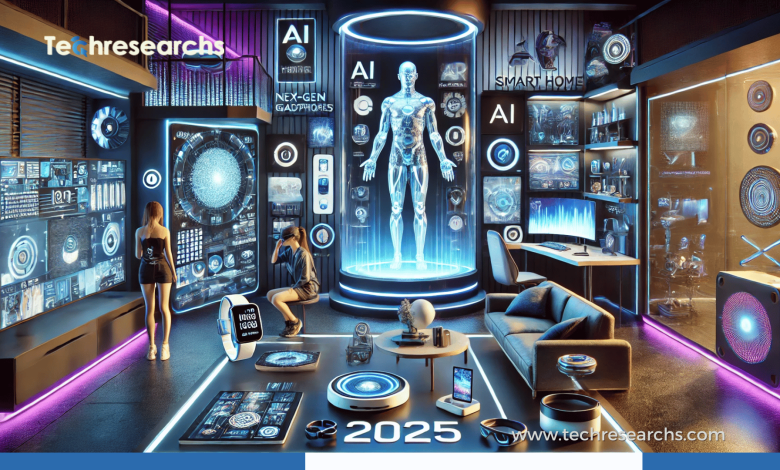
Technology is changing faster than ever, and 2026 is shaping up to be an exciting year for gadget lovers. New devices are becoming smarter, more connected, and more useful in everyday life. From AI-powered wearables and smart glasses to advanced smartphones, home robots, and intelligent appliances, the latest gadgets are moving beyond simple features and becoming more helpful digital companions.
The biggest change is that artificial intelligence is no longer limited to apps and chatbots. It is increasingly being built directly into the devices people use every day. CES 2026 highlighted this shift across AI, robotics, smart homes, wearables, mobility, and accessibility.
AI Is Becoming the Heart of New Gadgets
One of the clearest gadget trends in 2026 is on-device AI. Instead of relying entirely on cloud servers, modern devices are increasingly capable of handling certain AI tasks locally.
This can make gadgets faster and more responsive while also reducing the need to send every interaction to the cloud. AI is appearing in cameras, headphones, watches, glasses, laptops, smartphones, and even household appliances.
The goal is simple: technology should understand what users need without requiring them to constantly open an app or type a command.
Smart Glasses Are Getting More Practical
Smart glasses are moving closer to becoming everyday technology rather than experimental hardware. New generations are combining cameras, microphones, speakers, voice assistants, translation tools, and AI-powered features inside familiar-looking eyewear.
At CES 2026, smart glasses were showcased with capabilities such as hands-free AI interaction, real-time translation, recording, and other contextual features.
Imagine walking through a foreign city and getting translations without pulling out your phone. Or asking your glasses to identify something you are looking at while keeping your hands free.
However, smart glasses still have an important challenge to solve: privacy. Cameras and microphones that are always available can make people uncomfortable, so manufacturers will need to balance convenience with clear privacy controls.
Smarter Wearables Beyond Smartwatches
Wearable technology is also expanding beyond traditional fitness trackers and smartwatches.
Smart rings, AI-enabled earbuds, health-focused wearables, and other compact devices are becoming more capable. They can collect information about activity, sleep, heart rate, and other aspects of everyday wellness.
The interesting development is that AI can help turn raw data into something easier to understand. Instead of simply showing numbers, future devices may explain patterns and provide more personalized insights.
At the same time, users should remember that wearable information is not automatically the same as professional medical advice. Accuracy, privacy, battery life, and data ownership remain important considerations.
AI-Powered Smartphones Are Still Evolving
Despite the growth of new device categories, smartphones are not disappearing. Instead, they are becoming more intelligent.
Modern smartphones are increasingly using AI for photography, translation, search, personalization, accessibility, communication, and productivity. Recent 2026 smartphone launches also show manufacturers focusing heavily on built-in AI experiences rather than simply increasing processor speeds or camera megapixels.
The next generation of smartphones may feel less like a collection of apps and more like an intelligent assistant that understands context.
Humanoid Robots Are Moving Into the Real World
Robotics is another area receiving major attention in 2026.
Humanoid robots are being developed for environments ranging from factories and warehouses to homes and other workplaces. At CES 2026, robotics was presented as a major example of “physical AI,” where intelligent software is combined with machines capable of interacting with the physical world.
Instead of programming a robot to perform one repetitive movement forever, developers are increasingly exploring systems that can perceive their surroundings, interpret instructions, and adapt to changing situations.
Consumer home robots may still have a long way to go, but the direction is clear: robots are becoming more flexible and intelligent.
The Smart Home Is Becoming More Predictive
Smart home gadgets are also getting a major AI upgrade.
Traditional smart-home technology usually waits for a command. Newer systems are increasingly designed to anticipate what people need.
For example, an intelligent home could automatically adjust lighting, temperature, security settings, or appliances based on routines and environmental conditions. CES 2026 highlighted predictive automation across smart appliances, energy management, security, entertainment, and home robotics.
This could make homes more convenient and energy-efficient, but it also means that consumers need to pay closer attention to what data their devices collect and how that information is handled.
AI Earbuds Are Becoming More Than Audio Devices
Wireless earbuds have already replaced traditional headphones for many people, but their role is expanding.
Newer earbuds are being designed with better microphones, AI processing, translation capabilities, health-related functions, and smarter voice interaction. Some concepts are beginning to blur the line between headphones and personal AI assistants.
This could make earbuds useful for more than listening to music. They may become tools for communication, navigation, translation, productivity, and accessibility.
Foldable and Flexible Devices Continue to Grow
Foldable smartphones remain an important part of the premium gadget market. Manufacturers are experimenting with thinner designs, stronger screens, improved hinges, and larger displays that can fit into smaller spaces.
The appeal is straightforward: users can carry a compact device and unfold it when they need a larger screen.
As the technology improves, foldables may become less about being unusual and more about offering a practical alternative to traditional phones.
Gadgets Are Becoming More Connected
Another major trend is the move toward connected ecosystems.
A smartphone, smartwatch, earbuds, laptop, television, car, and smart-home system can increasingly work together. Instead of treating every gadget as a separate product, manufacturers are building experiences that allow devices to share information and respond to the same user.
This can be extremely convenient, but it can also make consumers more dependent on a particular technology ecosystem.
What About Privacy and Security?
More intelligent gadgets also create more security questions.
A device with cameras, microphones, location services, biometric sensors, and cloud connectivity can collect a significant amount of personal information. Researchers studying smart-home devices in 2026 have continued to highlight the importance of transparency around data collection and user expectations.
Before buying a new gadget, consumers should consider:
- What information does the device collect?
- Where is that information stored?
- Can the device work without a cloud account?
- How long will the manufacturer provide software updates?
- Can users control microphones and cameras?
- Are security settings easy to understand?
A gadget is only truly smart if it is also secure and respectful of user privacy.
Are New Gadgets Really Worth Buying?
Not every new gadget deserves a place in your home.
Some products introduce genuinely useful improvements, while others mainly offer new features that sound impressive on a specification sheet.
Before upgrading, think about whether the device solves a real problem. Better battery life, useful AI features, improved accessibility, stronger security, or meaningful productivity improvements may justify an upgrade.
Buying something simply because it is new is rarely a good strategy.
The Future of Gadgets Is More Human
The most exciting part of 2026 technology is not necessarily faster processors or higher-resolution screens. It is the movement toward technology that feels more natural to use.
Voice interfaces, AI assistants, wearable devices, smart environments, robotics, and connected ecosystems are all working toward the same idea: reducing the effort required to interact with technology.
The best future gadgets may not demand more attention from us. Instead, they may quietly help us accomplish tasks while allowing us to focus on what actually matters.
Final Thoughts
The gadget landscape in 2026 is changing from a collection of individual electronic products into a connected ecosystem of intelligent devices.
AI-powered glasses, advanced wearables, smarter smartphones, home robots, intelligent appliances, earbuds, and connected homes are all part of this transformation. CES 2026 showed how strongly AI, physical robotics, accessibility, smart homes, and wearables are shaping the consumer technology industry.
But the future of gadgets will not be judged only by how advanced they are. Consumers will also care about affordability, reliability, privacy, security, battery life, and whether these devices genuinely make everyday life easier.
That is what will separate the gadgets that create lasting change from the ones that simply generate hype.
Frequently Asked Questions
1. What are the most exciting new gadgets in 2026?
Some of the most interesting gadgets in 2026 include AI-powered smart glasses, advanced wearables, intelligent earbuds, foldable devices, smart home technology, and AI-enabled robots.
2. How is AI changing gadgets in 2026?
AI is making gadgets more responsive and personalized. Devices can increasingly understand voice commands, analyze information locally, automate tasks, and provide useful recommendations.
3. Are smart gadgets safe to use?
Smart gadgets can be safe when they receive regular security updates and provide strong privacy controls. Before buying one, check how it collects, stores, and shares personal data.
4. Should I buy the latest gadgets in 2026?
It depends on your needs. A new gadget can be worthwhile when it offers meaningful improvements in performance, convenience, security, or productivity rather than simply being newer.